Skip to content
But why invest in a custom CRM for real estate website leads in 2025
A common and valid concern we hear from developers is the reluctance to invest heavily in a website that has a two-year lifespan. You spend a significant budget on a beautiful site for a new residential complex, and it helps sell all the apartments, but then it becomes useless. The domain expires, the lead data is siloed, and the SEO equity you’ve built vanishes. For your next project, you have to start all over again. This cycle turns your digital presence into a recurring, disposable expense.
But what if your website could become a permanent, evolving asset? This is the core of the Coderfy approach. We believe in creating a custom system that grows with you. Instead of building one-off sites, you invest in a central platform. When a new project begins, you customize pages for the new residential complex, leverage all your previous lead data, and continue to grow your SEO authority on a single, powerful domain.
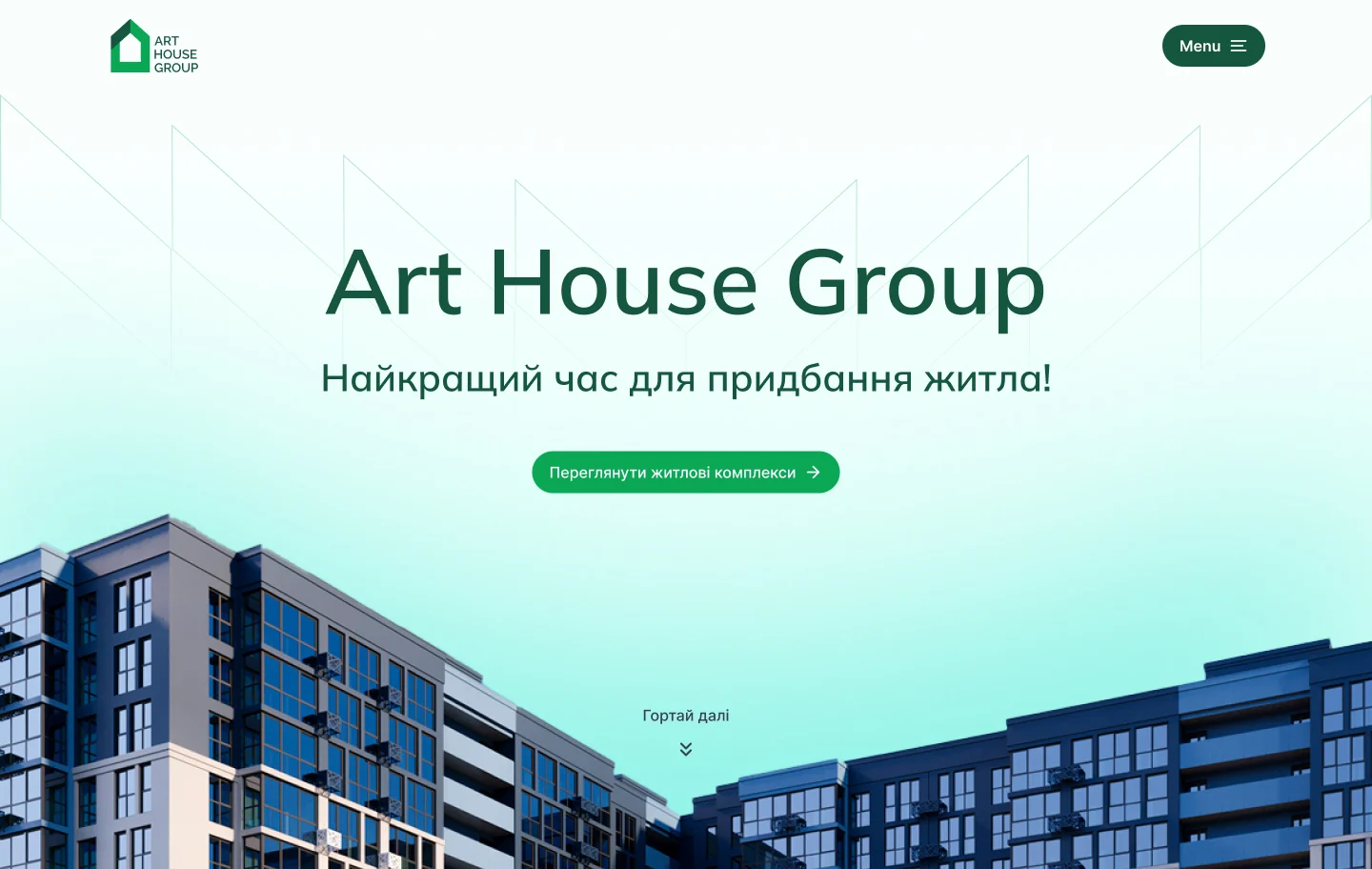
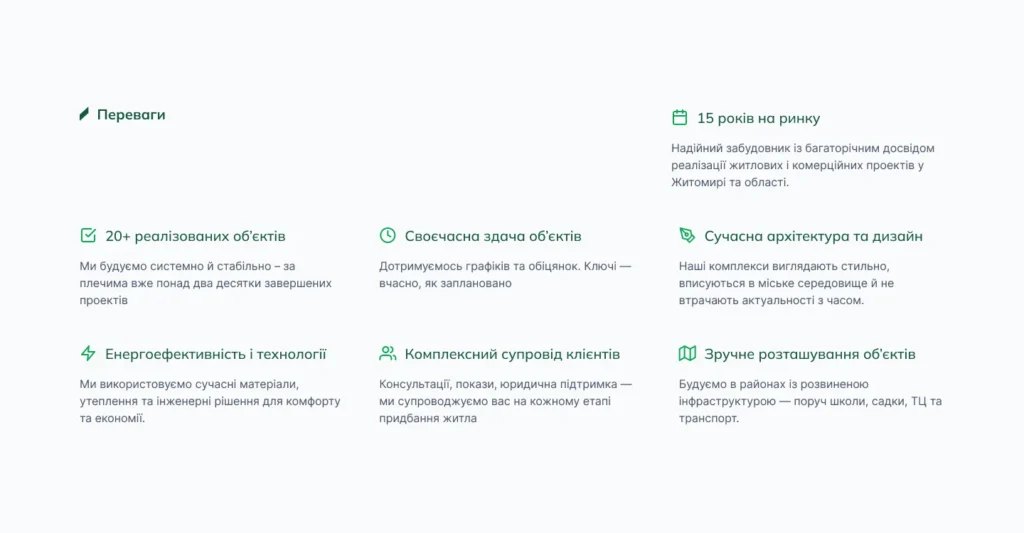
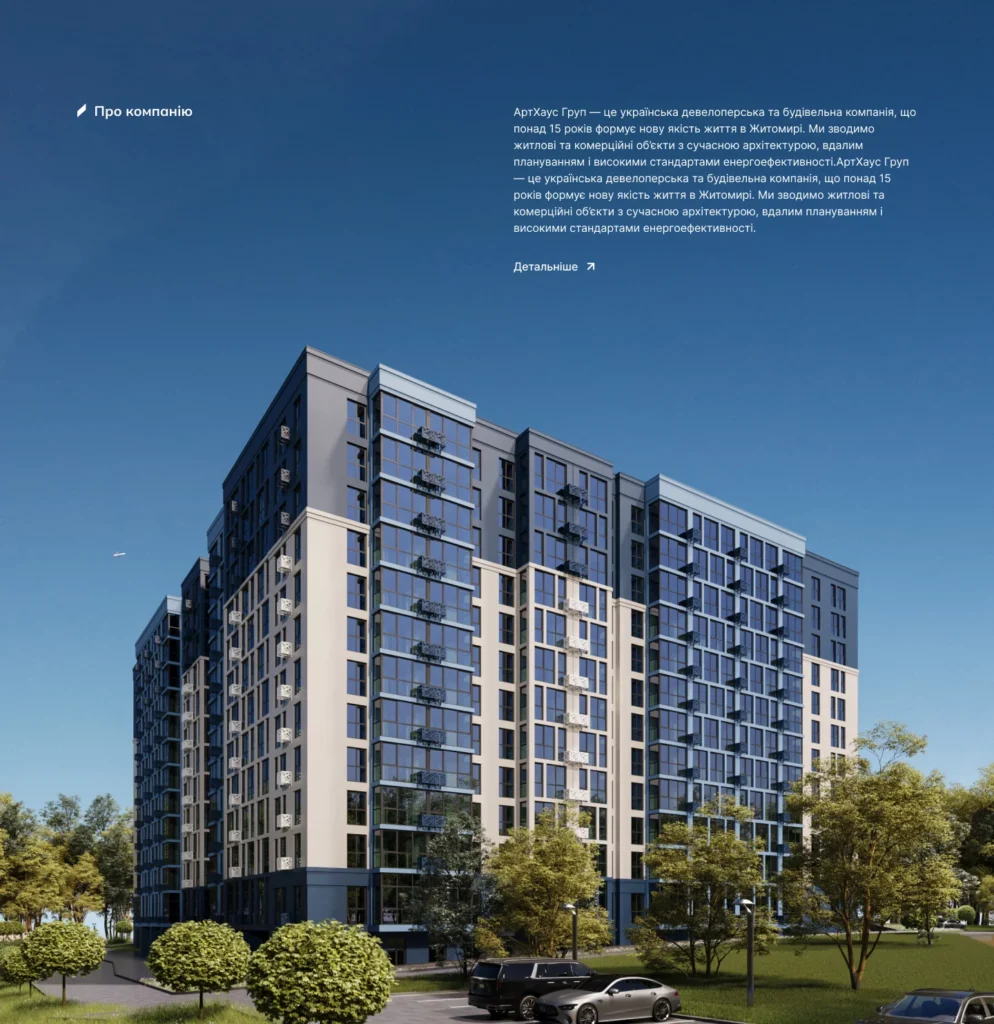
This isn’t just a theory. It’s a strategy we’ve implemented for clients like “Art House Group,” whose primary goal was to create a unified site to replace all future microsites.
The Strategic Goal: From Scattered Sites to a Unified Ecosystem
Let’s look at the strategic goals set by a real-world client, Art House Group, which perfectly encapsulate the needs of a modern developer:
- Create a single distribution website. The primary goal was to replace all current and future microsites for individual residential complexes (RC) with one powerful, unified portal. This not only saves on future development costs but also consolidates brand identity.
- Unify all communication. The website must serve as a single, coherent voice for the developer, builder, and sales department.
- Ensure SEO visibility for each property. A crucial requirement is that every residential complex must have its own SEO-optimized page, making it independently discoverable in search engines. For example, a user searching “ЖК Атмосфера Житомир” should land directly on the page for that specific project.
- Achieve simplicity for both users and staff. The system must be intuitive for potential buyers, even those without digital experience, and feature a simple admin panel that allows staff to update prices, statuses, and add new projects without needing a developer.
No boxed solution can deliver this “out of the box.” It requires a tailored approach in a CRM for real estate website promotion and lead generation.
The Blueprint: Building an Evolving Real Estate Platform
A successful, long-term CRM for real estate website is built on several key modules that address the need for both immediate sales and future growth.
Module 1: Centralized Project & Content Management
This is the foundation for a long-lasting digital asset. Instead of being hard-coded, your website must be a dynamic platform.
Key Features:
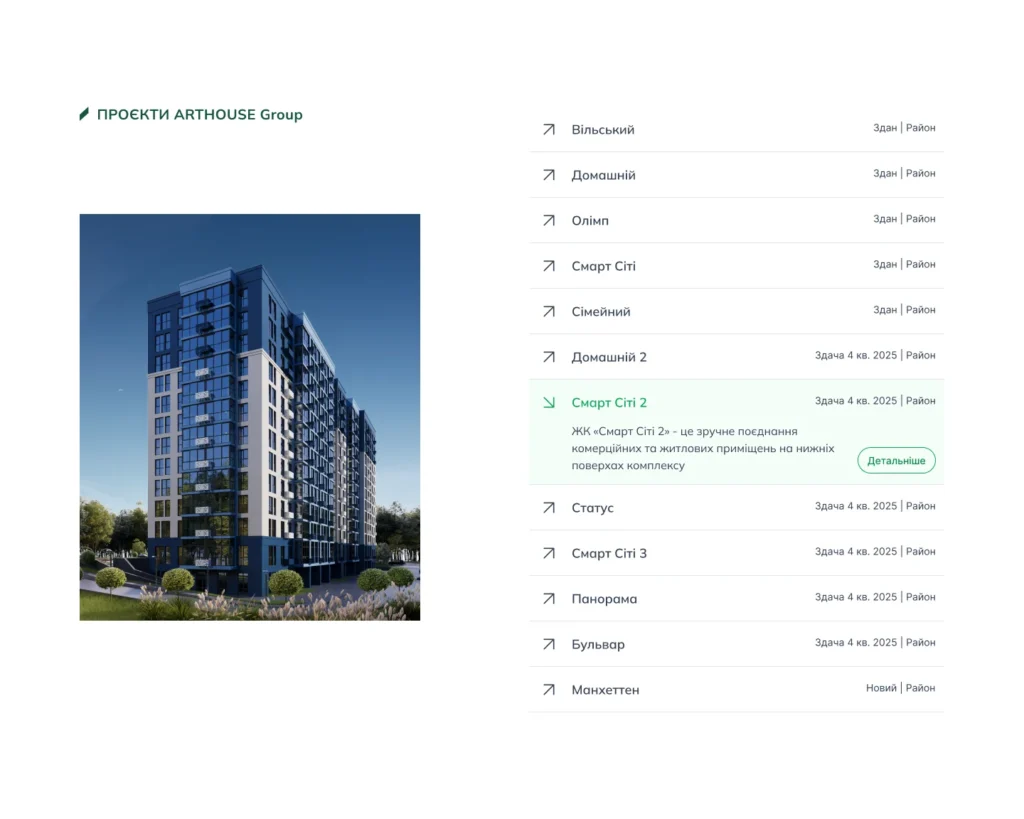
- Reusable Project Templates: Your team must be able to add, edit, and archive projects using a simple admin panel, without needing a developer. The system should allow you to launch pages for new complexes (like “У продажу” / “For Sale”) or move them to a “Реалізовані” / “Completed” portfolio section with ease.
- SEO Control Center: Every page for every project—past, present, and future—should have its own unique SEO settings. This ensures that every project you launch contributes to your domain’s overall search ranking, creating a compounding effect over time.
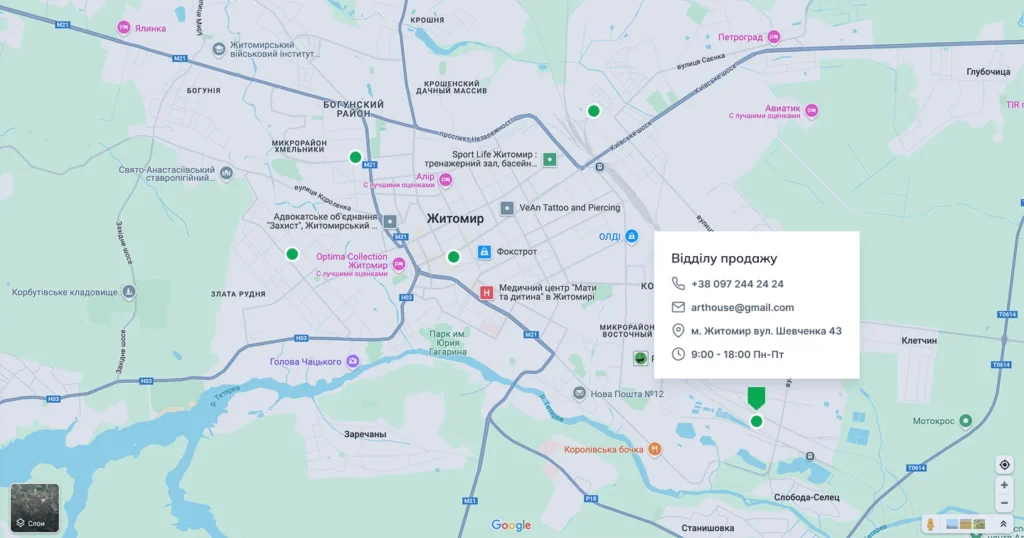
- Map Integration: A central Google Maps integration allows you to add new points for new projects and sales offices as your company expands.
Module 2: The Interactive “Chessboard” (Apartment Management)
This sales tool must be flexible enough to be applied to any new project you add to the site.
Key Capabilities:
- Dynamic Status Control: An internal “chessboard” tool lets your managers manually update an apartment’s status to “available,” “reserved,” or “sold” for any active project.
- Advanced User-Facing Filters: Customers should be able to filter apartments by a wide range of parameters, such as floor, area, and number of rooms, on any active project page.
Module 3: A Unified Lead Database (The Integrated CRM)
This is where you turn past projects into future opportunities. Instead of losing leads when a project sells out, you build a valuable database.
Essential Functions:
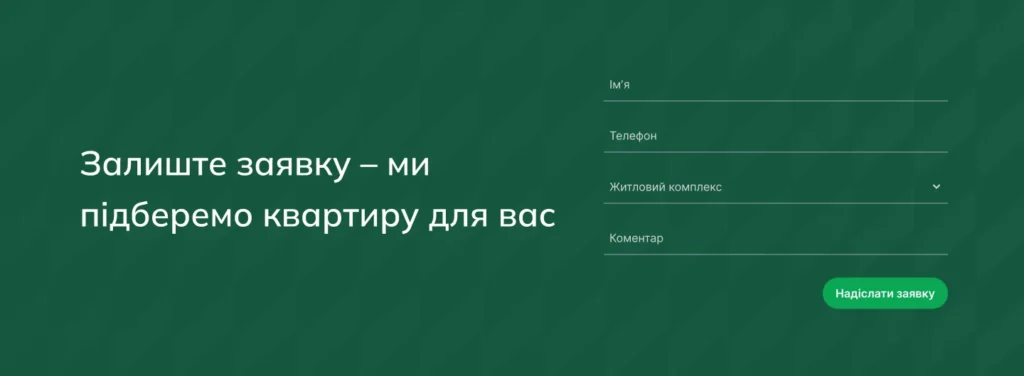
- Automated Lead Capture: Every inquiry, regardless of the project, is saved into one central CRM.
- Precise Source Tracking: The system must record the specific property page from which an inquiry was sent. This helps you understand which projects generate the most interest and provides a warm list of potential buyers for your subsequent development in a similar area or price range.
- Data Export & Analysis: You can analyze your entire history of leads, identify trends, and use the data to inform marketing strategies for future projects.
The User Journey: How It Works in Practice
Theory is one thing, but let’s see how this integrated system connects marketing efforts to sales results.
- Scenario 1: Organic Search. A user searches on Google for “buy an apartment in Zhytomyr”. Thanks to the SEO-optimized project pages, they land directly on a page for a specific complex that matches their search, not the generic homepage.
- Scenario 2: Social Media Ad. A potential buyer sees an ad on Facebook or Instagram. They click through to the landing page for that specific RC, use the interactive filters to find a suitable layout, and submit an inquiry. The manager immediately sees in the CRM: “New lead from the Residential Complex ‘Atmosphere’ page, interested in a 2-bedroom.”
- Scenario 3: Real Estate Portal. A user clicks a link from a site like DOM.RIA or OLX. They are taken to the corresponding property page on your main website. If they submit a request, your CRM will show that the lead originated from that specific portal, allowing you to track the ROI of your listings.
In every case, the lead is captured with context in the CRM for real estate website, giving the sales team the exact information they need for a relevant and practical first conversation.
Budgeting for a Custom Build: Phased Development in the Real World
A complete custom build can seem financially daunting. However, using a phased approach makes it a manageable and strategic investment. The project budget plans show a clear, practical path:
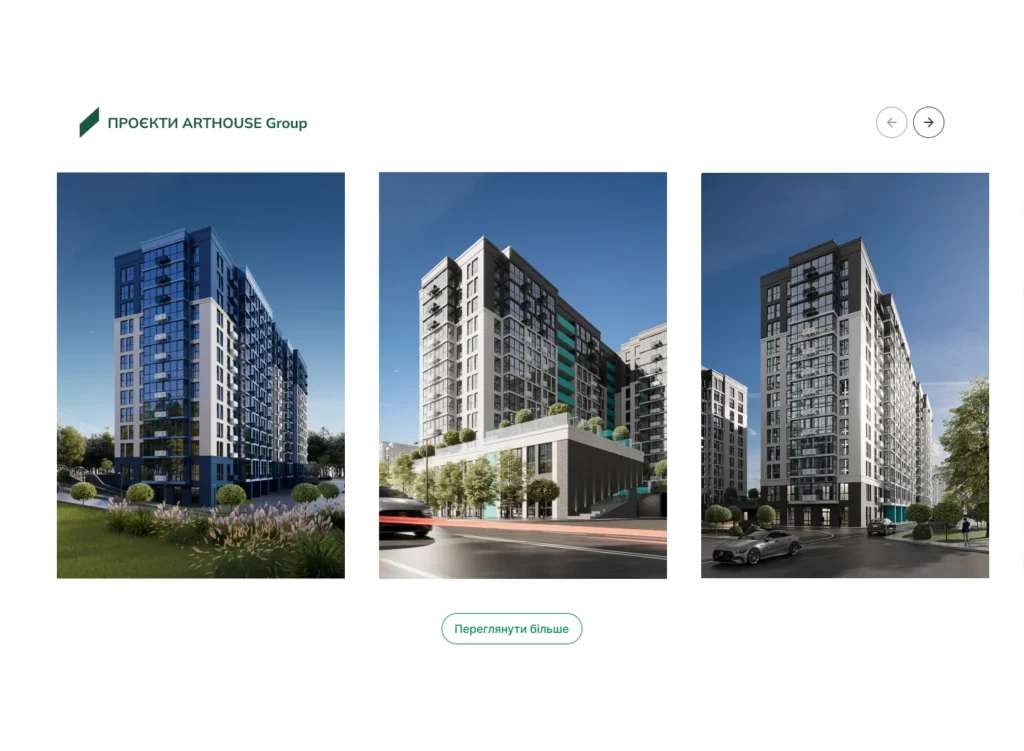
- Phase 1: The Image-Building Foundation (MVP). The first goal is to launch a professional, functional “business card” site. This includes the homepage, “About Us” and “News” sections, contact information, and a basic gallery of projects with contact forms. This gets the developer online quickly with a powerful brand presence and starts the lead generation process.
- Phase 2: Full-Scale Functional Rollout. Once the foundation is in place, the second phase focuses on the heavy-duty features. This includes developing the interactive apartment selection with advanced filters, the full-fledged “chessboard” management tool, and the detailed functionality of the built-in CRM for real estate website leads and sales management.
This phased strategy allows developers to manage their budget effectively, launching a core product quickly and expanding its capabilities over time as revenue and needs grow.
Conclusion: Stop Building Disposable Websites
Investing in a custom CRM for real estate website is a strategic shift. It’s the decision to stop creating disposable marketing materials and start building a permanent digital headquarters for your business. This approach ensures that every dollar you spend on marketing and every lead you generate contributes to a growing asset that will serve you for years, long after the first project is sold out.