 Skip to content

Are you thinking about a website redesign?
First and foremost, it’s essential to assess the current state of your website. Look at the overall design, user experience, and functionality to identify improvement areas. This can include outdated graphics, slow loading times, or confusing navigation.
Next, consider your target audience.
Who comprises your website visitors, and what specific information or products are they seeking? Ensure your redesign caters to their needs, whether easy access to information, a seamless shopping experience, or engaging visuals.
When planning a website redesign, it's crucial to think about search engine optimization (SEO).
Make certain that your fresh website is finely tuned for pertinent keywords and adheres to top-notch on-page SEO standards, enhancing its prominence in search engine rankings.
75%
of users admit to making judgments about a company's credibility based on the design of its website. A professionally designed and visually appealing website can give businesses a competitive edge in their industry.
Remember mobile responsiveness
As more users access websites through smartphones and tablets, ensuring your redesigned website is mobile-friendly and delivers a positive experience on all devices is crucial.
Lastly, consider the overall brand consistency. Your website is often customers’ first impression of your brand, so make sure it aligns with your brand’s values, messaging, and aesthetics.
By prioritizing these essential factors, you can guarantee a website redesign that not only boasts an appealing aesthetic but also delivers a smooth and intuitive user experience for your visitors.
Understanding Website Redesign
Redesigning your website goes beyond cosmetic changes; it’s a strategic endeavor aimed at enhancing user experience, boosting functionality, and aligning your online presence with contemporary industry standards.
This comprehensive transformation involves revisiting design elements, user interface, content strategy, and underlying technologies to ensure your website remains relevant and competitive.
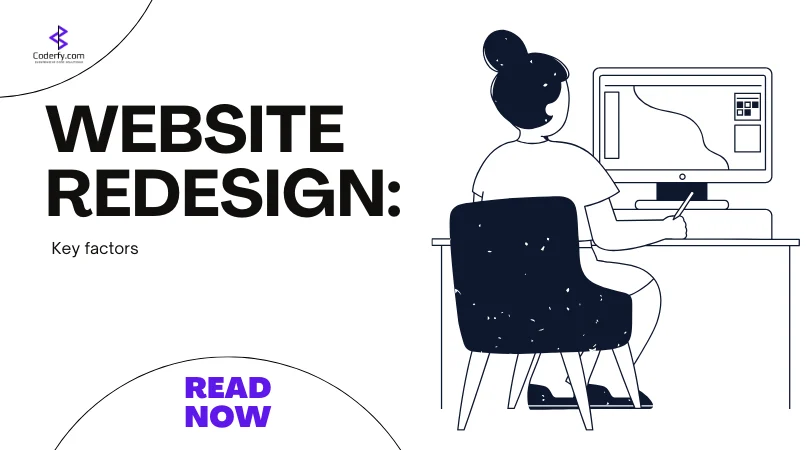
Website redesign involves revamping and updating your existing website.
Website redesign is updating and revitalizing an existing website to improve its visual appeal, functionality, user experience, and overall performance. It involves reevaluating the design elements, content strategy, navigation structure, and underlying technologies of the website to better align with the goals and needs of the business and its target audience.
It’s more than just a cosmetic update for your website; it’s about optimizing it to enhance user engagement, drive higher traffic volumes, and increase conversion rates
Whether refreshing your brand image, enhancing navigation, or implementing new features, website redesign is a strategic investment in your online success.
The Value of Website Redesign
A fresh and engaging website becomes paramount as technology evolves and consumer expectations shift. This comprehensive information explores the ins and outs of website redesign and can be your website redesign guide, delving into the importance, process and critical considerations for updating your online platform.
With a focus on enhancing user experience, driving conversions, and staying ahead of the competition, this guide is your roadmap to a successful website redesign journey.
Improved Brand Perception:
Your website is often the first point of contact between your brand and potential customers. A visually appealing and professionally designed website reflects positively on your brand, instilling trust and credibility among visitors.
1
Increased Search Engine Visibility:
Search engine optimization (SEO) drives organic traffic to your website. A well-executed website redesign can improve your SEO performance by optimizing meta tags, enhancing content structure, and implementing responsive design principles.
2
Conversion Rate Optimization (CRO):
The ultimate objective of any website is to transform visitors into customers. Through strategic placement of calls-to-action (CTAs), intuitive user flows, and persuasive design elements, website redesign can significantly impact your conversion rates.
3
Integration of Emerging Technologies:
With technological advancements, websites have evolved beyond static pages to dynamic, interactive platforms. Website redesign presents an opportunity to integrate emerging technologies such as AI-powered chatbots, interactive content modules, and personalized user experiences.
4
Send Us A Message For A Free Consultation And Custom Quote
Exploring Website Redesign Strategy
1.Comprehensive Website Audit:
Before embarking on a redesign project, it’s crucial to conduct a thorough audit of your existing website to identify areas in need of improvement. Analyze website metrics, user feedback, and competitor benchmarks to gain valuable insights into your site’s performance and usability.
2.Clear Objectives and Goals:
Define clear objectives and goals for your website redesign project. Whether it’s increasing conversion rates, improving user engagement, or aligning with brand guidelines, establish measurable benchmarks to track progress and success.
3.User-Centric Design Principles:
During the redesign process, prioritize user-centric design principles. Take into account user personas, behavior patterns, and preferences to craft intuitive and engaging user experiences that deeply connect with your target audience.
4.Responsive and Mobile-Friendly Design:
In today’s era of widespread mobile device usage, having a responsive and mobile-friendly design is no longer a choice—it’s a necessity. Ensure your redesigned website adapts seamlessly to various screen sizes and devices, providing a consistent and optimized user experience.
5.Iterative Testing and Optimization:
Implement a process of iterative testing and optimization to fine-tune your redesigned website continuously.
Utilizing A/B testing, heatmaps, and user feedback mechanisms offers valuable insights into user behavior and preferences, serving as a guide for continuous refinements and enhancements.
6.Security and Compliance:
Enhancing the website’s security protocols and guaranteeing adherence to data protection regulations and industry standards are crucial steps to safeguard user information and cultivate trust among visitors.
Share This In 1 Click
FAQ Contacts Website Redesign Agency Coderfy.
Assess the current state of your website by looking at the design, user experience, and functionality. Look for areas that may need improvement such as outdated graphics, slow loading times, or confusing navigation.
It is crucial to consider your target audience during a redesign. Make sure your changes cater to their needs, whether it’s easy access to information, a seamless shopping experience, or engaging visuals.
SEO is important for improving your site’s visibility in search engine results. Make sure your new website is optimized for relevant keywords and follows best practices for on-page SEO to attract more organic traffic.
With the increasing number of users accessing websites on mobile devices, it’s essential that your redesigned website is mobile-friendly to provide a positive experience across all devices.
Make sure your redesigned website aligns with your brand’s values, messaging, and aesthetics. Your website is often the first impression customers have of your brand, so consistency is key.
Revamping your website is a strategic decision that holds the potential to breathe new life into your online identity, captivate your audience, and propel your business towards success.
Embracing innovative strategies, focusing on user experience, and tapping into the expertise of professionals such as Coderfy, enable businesses to not only meet but surpass the expectations of their target audience with their redesigned websites. Elevate your digital presence with a thoughtful and impactful website redesign that sets you apart in the competitive online landscape.
Overall, website redesign is a strategic initiative aimed at revitalizing and improving the online presence of a business, helping it stay competitive in the digital landscape, attract and retain customers, and achieve its marketing and business objectives.