 Skip to content
Project Management for Website Development: A Comprehensive Guide for Success

Launching a successful website requires meticulous planning, flawless execution, and efficient project management. This article will explore vital facets of managing website development projects, spotlighting crucial steps for achieving a successful launch.
Let's begin!
Here are some project management for website development statistics:
Project Management Success Rates:
Only 37% of organizations report that their projects are successful in achieving their intended business goals.
70% of organizations feel that their project management maturity level is low.
Agile Project Management:
71% of organizations report using Agile approaches sometimes, often, or always.
Organizations that use Agile project management deliver products 37% faster than those using traditional methods.Project Management Tools: The use of project management software tools remained high, with popular platforms like Trello, Asana, JIRA, and Coderfy facilitating project planning, collaboration, and task management.
Project Budgets: Effective cost management remained a challenge, with approximately 43% of projects exceeding their initial budgets. This highlights the importance of thorough financial planning in web development projects.
Project Timelines: Meeting project deadlines remained a concern, as 46% of projects were reported to be delivered late or behind schedule.
Project management for website development encompasses a set of methodologies, practices, and tools that facilitate the efficient planning, execution, monitoring, and closure of web-related projects. Whether it’s small business websites or intricate e-commerce platforms, effective project management guarantees timely completion within scope, budget, and quality benchmarks.
"Navigate the digital landscape with adept project management. Seamlessly develop websites that resonate with objectives, backed by strategic planning and innovative tools."
Coderfy Tweet
Defining the Project Scope and Objectives
A well-defined scope and set of objectives are at the heart of every successful website development project. This involves understanding the client’s requirements, target audience, and the website’s purpose. A comprehensive scope document outlines the features, functionalities, and design elements that must be included. Clear objectives are the guiding light throughout the project, helping the team stay on track and focused on the end goals.
Task Allocation and Resource Management
Once the project’s scope and objectives are established, the project manager allocates tasks to the team members based on their expertise. Effective resource management ensures that people with the right skills are assigned to specific tasks. This optimizes efficiency while reducing the chances of delays and misunderstandings.
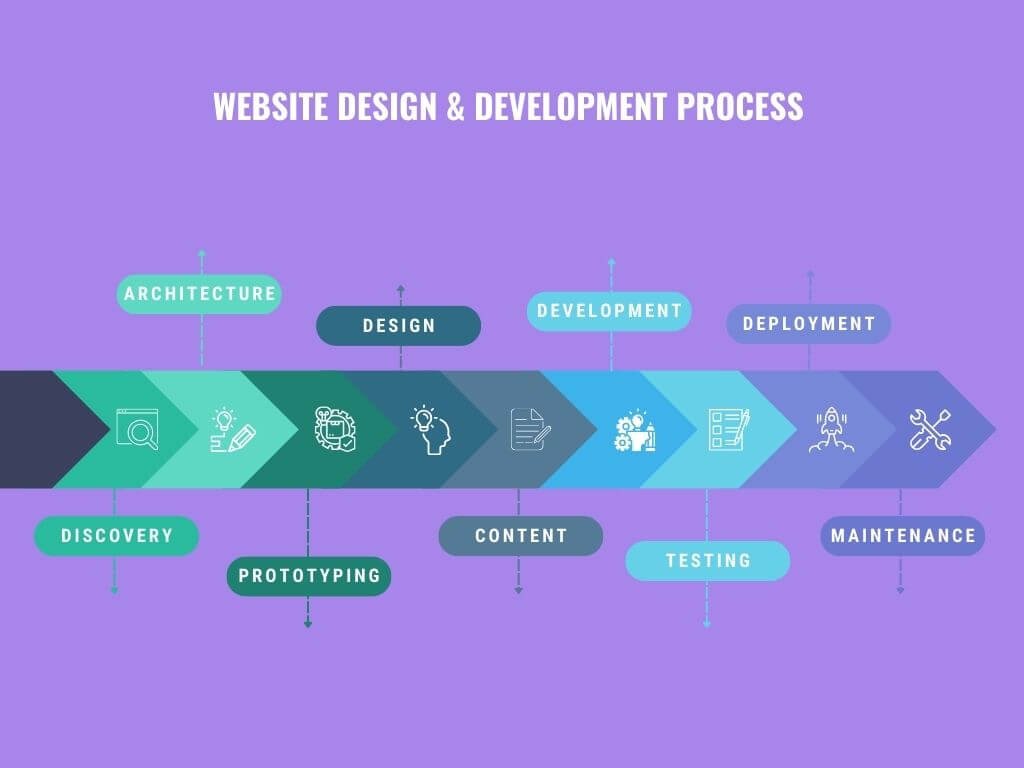
Timeline and Milestones
Creating a realistic project timeline is crucial to project management for website development. Breakdown of the project into milestones allows for tracking progress and identifying potential bottlenecks early on. This guarantees adherence to the project timeline and swift resolution of possible deviations.
Effective Communication and Collaboration
In a collaborative environment, communication is critical. Regular updates, meetings, and status reports help keep everyone informed about the project’s progress in project management for website development. Utilizing project management tools and platforms fosters smooth communication, enabling team members to exchange ideas, tackle issues, and keep stakeholders updated.
Quality Assurance and Testing
Quality assurance is an integral part of project management for website development. Thorough testing of the website’s functionalities, compatibility across browsers and devices, and user experience is essential before launch. Identifying and addressing issues in the testing phase prevents potential setbacks after the website goes live.
Managing Change and Flexibility
The digital landscape is dynamic, and changes are inevitable. Effective project management for website development allows flexibility to accommodate requirements changes, emerging trends, or unexpected challenges. This adaptability ensures that the final product aligns with the current market demands.
Let's talk business
There are several tools available to facilitate project management for website development, each designed to streamline processes, enhance collaboration, and ensure successful project outcomes. Some popular tools include:
Unleashing New Value in Project Management for Website Development:
Apart from its core features, Coderfy introduces innovative functionalities that can transform your website development project management approach.
1. Predictive Analytics: Coderfy employs machine learning algorithms to analyze historical project data and predict potential roadblocks. This proactive approach allows project managers to take preemptive measures to avoid delays.
2. Customizable Workflows: Tailor Coderfy’s workflows to match your team’s unique processes. Whether you follow Agile, Waterfall, or a hybrid approach, the tool adapts to your preferences, not the other way around.
3. Performance Metrics: Coderfy provides detailed insights into team performance, task completion rates, and overall project efficiency. This data-driven approach empowers you to enhance your processes for improved outcomes consistently.
4. Integration Capabilities: Seamlessly integrate Coderfy with popular development tools like JIRA, GitHub, and Slack. This integration enhances the flow of information and reduces the need to switch between platforms.
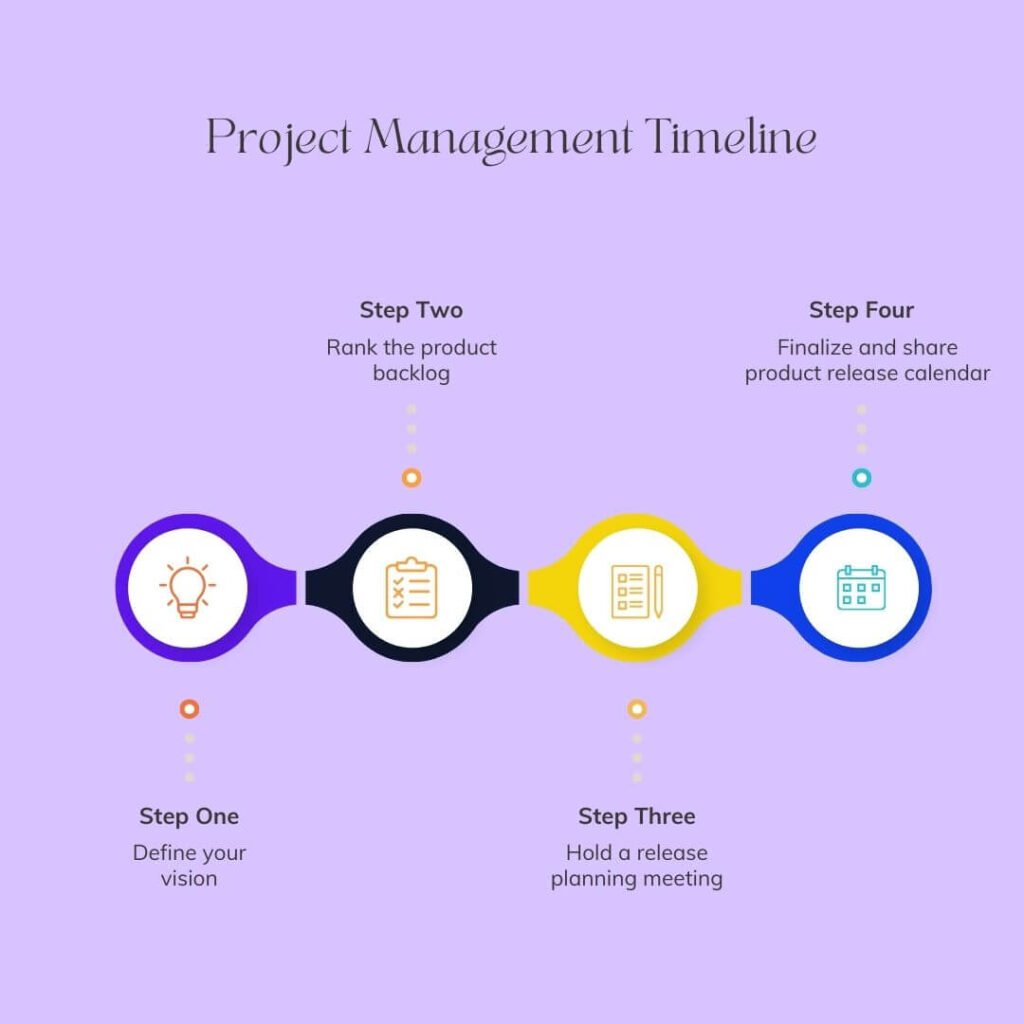
Incorporating Project Management Best Practices
While Coderfy brings innovation to project management, it's essential to adhere to fundamental best practices to ensure project success:
1. Clear Goal Definition: Clearly define project goals, scope, and deliverables to avoid scope creep and ensure everyone understands the project’s purpose.
2. Transparent Communication: Maintain open and transparent communication channels to foster collaboration, address concerns, and keep stakeholders informed.
3. Agile Adaptation: Embrace Agile principles to respond to changes efficiently, accommodate client feedback, and ensure a more flexible development process.
4. Regular Evaluation: Continuously assess project progress, identify risks, and adapt your strategy as needed. Regularly review the project against initial objectives.
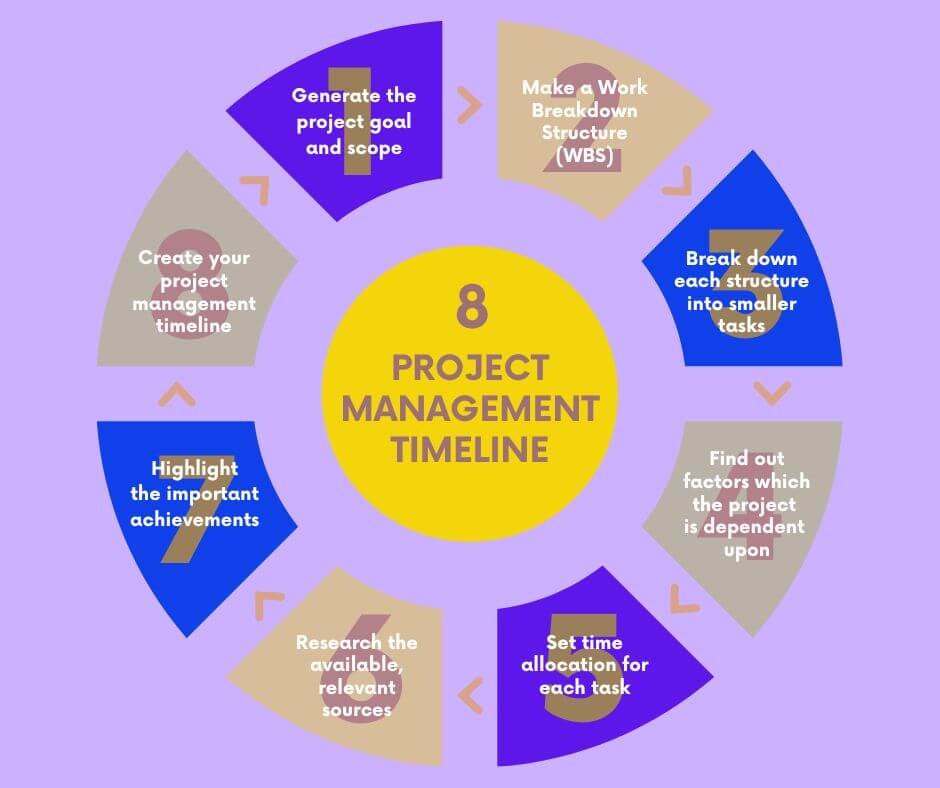
The 7 Steps of the Web Development Project Cycle: Building Online Success
Web development is a meticulous process that involves more than just creating a visually appealing website; it's about crafting a digital experience that resonates with your audience and achieves your business goals. To achieve this, web developers follow a structured project cycle comprising seven key steps.
1. Planning: The journey begins with planning. Here, you define the project’s scope, objectives, target audience, and goals. Understanding your audience’s needs is crucial, as it forms the foundation of your website’s design and functionality. Planning also involves creating a project roadmap, setting timelines, and allocating resources.
2. Analysis: In the analysis phase, developers delve deeper into understanding your requirements. They gather data, conduct market research, and identify user needs. Wireframes and prototypes may be created to visualize the website’s structure and layout. This step ensures that the project aligns with your business objectives and user expectations.
3. Design: Design is where the website starts taking shape visually. Web designers create the site’s look and feel, including the layout, color schemes, typography, and graphics. User experience (UX) and user interface (UI) design principles are applied to ensure that the website is not just visually appealing but also intuitive and user-friendly.
4. Development: This is where the actual coding and development of the website take place. Developers use programming languages like HTML, CSS, JavaScript, and backend technologies to build the website’s structure and functionality. They bring the design to life, ensuring that it’s responsive and works seamlessly across different devices and browsers.
5. Testing: Quality assurance is a critical step in web development. During testing, developers rigorously check the website for functionality, compatibility, and performance. They identify and fix bugs, ensure that links work correctly, and validate forms. Testing also includes responsive design testing to ensure the website looks and functions well on various screen sizes.
6. Deployment: Once the website has passed testing and is ready for launch, it’s deployed to a live server. Domain names are configured, and all necessary files and databases are transferred. It’s at this stage that the website becomes accessible to users on the internet.
7. Maintenance: The web development project cycle doesn’t end with the website’s launch. Maintenance is an ongoing process that involves monitoring, updating, and optimizing the site. Regular updates keep the website secure, improve performance, and allow for the addition of new features or content.
In summary, the 7-step web development project cycle is a structured approach to creating successful websites. It starts with thorough planning and analysis, followed by design, development, testing, and deployment. Even after the website is live, continuous maintenance ensures that it remains effective and aligned with your evolving business needs. Following these steps ensures that your website is not just a digital presence but a valuable asset that engages users and drives success.
Project Management for Website Development- Frequently Asked Questions (F.A.Q.)
Project management in web development involves planning, executing, and controlling tasks to ensure successful creation of websites, meeting objectives, timeline, and budget.
The phases include:
- Initiation: Defining project scope, goals, and stakeholders.
- Planning: Creating a roadmap, allocating resources, and forming a project team.
- Execution: Developing the website based on the plan and design.
- Monitoring and Controlling: Tracking progress, addressing issues, and ensuring adherence to the plan.
- Testing and Quality Assurance: Thoroughly testing the website’s functionalities and performance.
- Deployment: Launching the website to a live environment.
- Closing: Evaluating project success, documenting lessons learned, and transitioning ownership.
Success requires:
- Clear goals and scope.
- Efficient resource allocation.
- Regular communication and collaboration.
- Adapting to changes and challenges.
- Thorough testing and quality assurance.
- Monitoring progress and addressing issues promptly.
- Delivering the project on time and within budget.
The 7 steps are:
- Planning: Defining project scope, objectives, and stakeholders.
- Analysis: Gathering requirements, identifying user needs, and creating wireframes.
- Design: Creating visual mockups and user interfaces.
- Development: Coding the website, implementing features, and functionalities.
- Testing: Thoroughly testing the website for functionality and compatibility.
- Deployment: Launching the website in a live environment.
- Maintenance: Monitoring, updating, and addressing issues post-launch.
To sum up, adept project management is vital for triumphant website development. These pivotal steps guarantee a streamlined project, attaining objectives and delivering top-tier business-aligned websites.
In website development, successful project management is not just a luxury; it’s a necessity. A well-structured project management approach ensures that websites are developed with precision, meeting the needs of clients and users alike. From defining project scope to managing resources and maintaining communication, each aspect is pivotal in delivering websites that excel in functionality, design, and user experience. As the digital landscape evolves, project management remains a cornerstone of website development success.