 Skip to content
Best Future Health Software Advancements 2023
In this era of digital revolution, the key phrase “future health software” has become more pertinent than ever.
This article explores the profound impact of future health software on the healthcare industry and how it is poised to shape the future of medicine.
The Essence of Future Health Software
Future health software is not merely a collection of algorithms; it represents the convergence of cutting-edge technologies and healthcare expertise. These solutions are crafted to enhance patient care, optimize medical procedures, elevate decision-making capabilities, and ultimately transform the healthcare sector.
At their core, these software solutions aim to harness the power of data, artificial intelligence, and automation to provide more efficient, accurate, and accessible healthcare services.
94%
of hospitals in the United States had adopted Electronic Health Records (EHRs) to improve data accessibility and patient care.
The Healthcare Trends 2025 Landscape
As the adoption of future health software continues to grow, it’s essential to consider the challenges and opportunities ahead. Critical concerns include interoperability, data privacy, and robust cybersecurity measures. However, the potential benefits include reduced healthcare costs, improved patient experiences, and a shift towards preventive rather than reactive healthcare.
Let’s delve deeper into the multifaceted role of future health software:
2Telehealth&Remote Monitoring:
Individuals can now conveniently access healthcare services from their own residences, while healthcare providers have the capability to remotely monitor crucial health indicators and take necessary actions as required.
1Enhanced Diagnostics:
Future health software can analyze vast datasets, such as medical images and patient records, with incredible precision. It assists healthcare providers in diagnosing diseases earlier and more accurately, leading to improved patient outcomes.
4Administrative Efficiency:
Healthcare institutions benefit from streamlined administrative processes. Scheduling appointments, managing billing, and overseeing patient records become streamlined, enabling healthcare professionals to devote more of their time and attention to patient care.
3Personalized Treatment Plans:
Future health software tailors treatment plans to individual patients through sophisticated algorithms. It considers a patient’s genetic makeup, medical history, and lifestyle, ensuring treatments are optimized for effectiveness.
5Population Health Management:
Future health software enables healthcare organizations to analyze population health trends. This data-driven approach helps in the prevention of disease outbreaks and the allocation of resources where they are needed most.
7Data Security and Compliance:
Future health software prioritizes data security and compliance with stringent healthcare regulations. It guarantees the safeguarding of confidential patient data.
8Artificial Intelligence Integration:
AI algorithms can detect patterns in complex datasets, provide predictive analytics for disease progression, and automate routine processes. Future health software is increasingly integrating artificial intelligence (AI) for transformative applications in healthcare.
6Drug Discovery:
In pharmaceuticals, future health software accelerates drug discovery by predicting how new compounds will interact with the human body, expediting the development of life-saving medications.
Another exciting aspect of future health software is telemedicine.
As technology advances, patients can now receive medical care from the comfort of their homes. Telemedicine software allows virtual consultations and remote monitoring, reducing the need for in-person visits. This proves particularly advantageous for patients residing in rural regions or individuals with restricted mobility, as it enhances their accessibility to healthcare services and elevates the overall level of patient contentment.
In the future, wearable devices will also play a significant role in health software. Devices like fitness trackers and smartwatches have the capability to monitor vital signs, record physical activity, and gather health-related information.This information can then be integrated into health software platforms, providing a comprehensive view of an individual’s health and enabling healthcare professionals to make more informed decisions.
As healthcare systems confront the complexities of an aging population and rising healthcare demands, future health software emerges as a ray of hope. It holds the promise of optimizing resource allocation, cutting costs, and, above all, enhancing patient care
In the future, wearable devices will also play a significant role in health software. Devices like fitness trackers and smartwatches have the capability to monitor vital signs, record physical activity, and gather health-related information.This information can then be integrated into health software platforms, providing a comprehensive view of an individual’s health and enabling healthcare professionals to make more informed decisions.
Why Future Health Software Matters
1
Predictive Analytics:
Future health software utilizes predictive analytics to foresee potential health issues in patients. It can analyze historical data, genetics, lifestyle, and more to predict disease risks, enabling proactive healthcare interventions.
2
Telemedicine:
In an age of connectivity, future health software enables telemedicine, allowing patients to consult with healthcare providers remotely. This increases access to healthcare and reduces the burden on physical healthcare facilities.
3
Electronic Health Records (EHRs):
EHR systems powered by future health software ensure seamless information sharing among healthcare providers. This enhances collaboration and eliminates the need for redundant tests, saving time and resources.
4
Precision Medicine:
Future health software is tailored to the individual. It analyzes a patient’s unique genetic makeup and medical history to create personalized treatment plans, ensuring the most effective care possible.
With the integration of AI-powered chatbots, patients can receive immediate responses to medical queries and even schedule appointments, improving the patient experience.
6
IoT in Healthcare:
Future health software connects with wearable devices and IoT sensors, collecting real-time health data. This data is analyzed to monitor chronic conditions and provide timely interventions.
7
Blockchain Security:
Future health software employs blockchain technology to protect sensitive medical data, ensuring the highest security and data integrity levels.
A Glimpse into the Future
The future of healthcare software development is filled with exciting possibilities. From AI-powered algorithms to telemedicine advancements, wearable devices, mobile applications, and improved security measures, the healthcare industry is poised to witness a significant transformation. These developments can revolutionize patient care, enhance diagnosis accuracy, increase accessibility to healthcare services, and ultimately improve overall health outcomes. As technologies evolve, embracing future health software becomes paramount for healthcare professionals and patients.
Now, let’s delve deeper into the exciting possibilities offered by future health software:
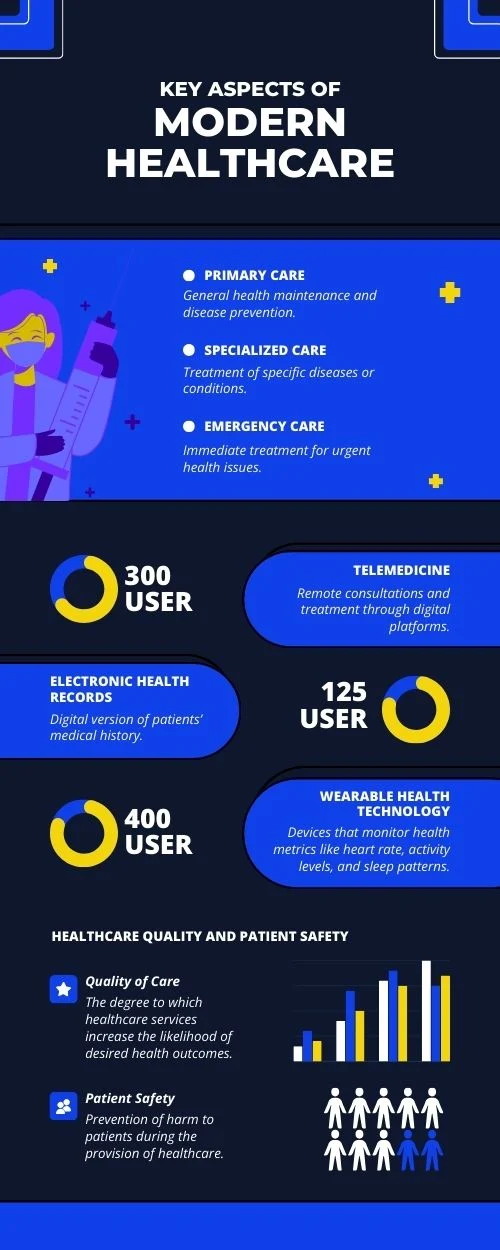
Coderfy is a standout player in the field of future health software. With its innovative approach, Coderfy bridges the gap between healthcare providers, patients, and the vast medical data available today. By leveraging advanced algorithms and machine learning, Coderfy empowers healthcare professionals with insights that enable them to make more informed decisions, thus improving patient outcomes.
The Unique Contribution of Coderfy
Future Health Software- Frequently Asked Questions (F.A.Q.)
Healthcare software refers to applications and systems designed to improve various aspects of healthcare, such as patient care, data management, and administrative processes. It benefits the healthcare industry by enhancing patient outcomes, increasing efficiency, and enabling data-driven decision-making.
Telemedicine software enables remote healthcare consultations. It functions through secure video conferencing or messaging platforms, allowing patients to connect with healthcare providers. Its advantages include increased access to care, reduced travel time, and improved patient convenience.
EHR software digitalizes patients’ medical records, making them accessible to authorized healthcare providers. It’s crucial because it ensures accurate and up-to-date patient information, streamlines data sharing, reduces errors, and enhances patient safety.
AI-powered healthcare software uses advanced algorithms to analyze medical data, images, and patient records. It aids in early disease detection, provides treatment recommendations based on data analysis, and offers predictive insights, ultimately improving diagnostic accuracy and treatment outcomes.
Healthcare software employs robust security measures, including encryption, access controls, regular security audits, and compliance with healthcare regulations like HIPAA (Health Insurance Portability and Accountability Act). These measures safeguard patient data from unauthorized access and breaches.
Healthcare software improves the patient experience by offering convenient appointment scheduling, access to medical records, telehealth options, and real-time communication with healthcare providers. It empowers patients to take a more active role in managing their health and reduces administrative hassles.
What are the opportunities and challenges associated with the use of artificial intelligence in medicine in development the future of healthcare
“Future health software” is not merely a buzzword but a seismic shift in healthcare. It embodies the marriage of cutting-edge technology and healthcare expertise, promising better, more accessible, and more personalized healthcare for all.
And in this journey, innovative solutions like Coderfy pave the way for a brighter and healthier future. As we continue to embrace these technologies, we move one step closer to a world where quality healthcare is a fundamental right for all.