Skip to content
The Reality of Doing Business in KSA: What Changed Our Perspective
Saudi Arabia’s economy is undergoing a historic transformation. The country’s Vision 2030 initiative aims to reduce dependence on oil revenues while fostering innovation, entrepreneurship, and foreign investment. This ambitious reform program has created numerous opportunities across sectors including technology, healthcare, entertainment, tourism, and renewable energy.
The Saudi market offers compelling advantages for international businesses. The country boasts a young, tech-savvy population with high disposable income and growing consumer demand. Government initiatives actively encourage foreign direct investment through streamlined regulations, tax incentives, and infrastructure development. The strategic geographic location is a gateway to broader Middle Eastern and African markets.
Key Strategies for Market Entry Success
Research and Market Analysis
Conducting thorough market research is essential for successful entry into Saudi Arabia. Understanding local consumer preferences, purchasing behaviors, and cultural nuances is essential. The Saudi consumer market demonstrates strong preferences for quality products and services, with increasing emphasis on digital experiences and convenience.
Competitive analysis reveals market gaps and positioning opportunities. Identifying local partners, distributors, and potential competitors helps inform strategic decisions. Market sizing and demand forecasting enable realistic revenue projections and resource allocation planning.
Regulatory Compliance and Legal Framework
Navigating Saudi Arabia’s regulatory environment requires careful attention to licensing requirements, business registration processes, and industry-specific regulations. The Saudi Arabian General Investment Authority (SAGIA) provides comprehensive support for foreign investors, offering guidance on legal structures, permits, and compliance requirements.
Understanding labor laws, tax obligations, and commercial regulations prevents costly delays and legal issues. Many international businesses benefit from partnering with local legal advisors who understand the evolving regulatory landscape and can ensure full compliance with Saudi requirements.
For example, we had to achieve SAMA, NAFATH and some other local regulations and compliance during delivery of some portfolio projects.
Cultural Sensitivity and Local Adaptation
Success in Saudi Arabia demands deep respect for local culture and traditions. Islamic principles influence business practices, consumer behavior, and social interactions. Prayer times affect business hours and meeting schedules. Understanding Ramadan’s impact on business operations and consumer patterns is crucial for planning and execution.
Language considerations play a vital role in market success. While English is widely used in business contexts, Arabic language capabilities demonstrate a commitment to the local market. Marketing materials, customer service, and product documentation often require Arabic translation to maximize effectiveness and accessibility.
- RTL design approach and understanding the local graphic and e-solution traditions were crucial during the first and memorable projects. So we know what to expect by far.
Digital Marketing and E-commerce Opportunities
The Saudi market has embraced digital transformation at a remarkable speed. High smartphone penetration rates and strong internet connectivity create excellent opportunities for digital marketing and e-commerce initiatives. Social media platforms, particularly Instagram, Twitter, and Snapchat, command significant user engagement and offer effective channels for brand building and customer acquisition.
E-commerce growth in Saudi Arabia outpaces many global markets. Consumers increasingly prefer online shopping, driven by convenience, variety, and competitive pricing. Mobile commerce represents a powerful growth segment, with many consumers using smartphones for research and purchases.
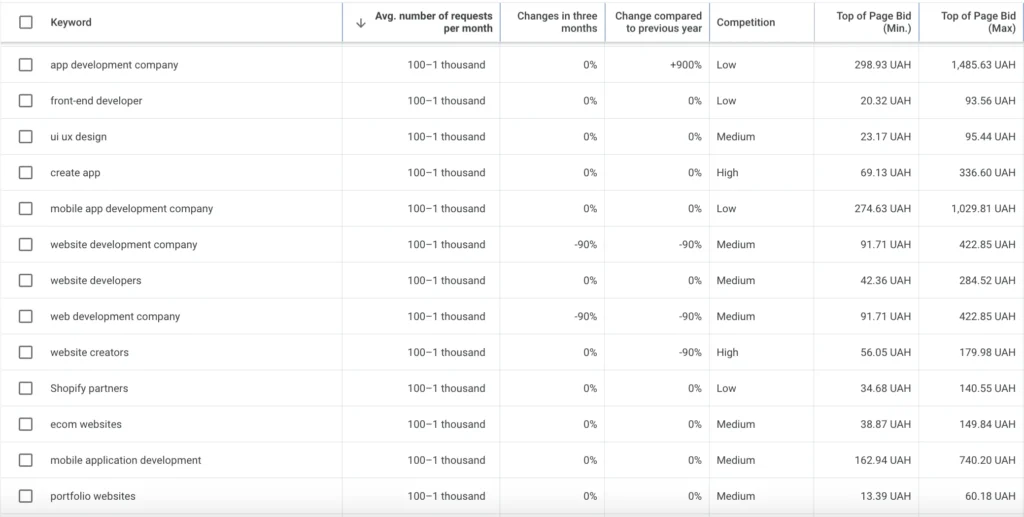
Search engine optimization strategies must consider local search behaviors and Arabic language keywords, even when doing business in KSA. We’ve spent some time moving from the “Saudi Arabia Market entry” to this key phrase and some similar like “business in Saudi Arabia”, “KSA market entry”, “Saudi business culture”, because the average number of searches can be quite low. Google dominates the search market, but understanding local search patterns and preferences enhances visibility and traffic generation. Content marketing that resonates with Saudi audiences while respecting cultural values builds trust and engagement.
Building Strategic Partnerships
Local partnerships often accelerate market entry and reduce operational challenges. Saudi partners provide market insights, regulatory guidance, and established networks that would take years to develop independently. Joint ventures, distribution agreements, and strategic alliances offer various partnership models to consider.
Government relations play a significant role in business success. Building positive relationships with relevant ministries, regulatory bodies, and government agencies facilitates smooth operations and opens doors to public sector opportunities. Many successful international companies invest considerable effort in government engagement and stakeholder management.
Industry associations and business councils provide networking opportunities and market intelligence. The Saudi-British Business Council, American Business Council, and similar organizations offer platforms for relationship building and knowledge sharing.
Financial Considerations and Investment Climate
Saudi Arabia offers attractive financial incentives for foreign investment. Tax holidays, reduced corporate tax rates, and various subsidies support business establishment and growth. The Saudi Industrial Development Fund provides financing for manufacturing projects, while other government agencies offer sector-specific support programs.
Currency stability and banking infrastructure facilitate international business operations. The Saudi riyal maintains a fixed exchange rate with the US dollar, reducing currency risk for American businesses. The banking system is well-developed and supports international transactions and financing needs (Payoneer, SWIFT).
Investment in local operations demonstrates long-term commitment and often unlocks additional opportunities. Many successful international companies establish regional headquarters in Saudi Arabia, leveraging the strategic location and business-friendly environment to serve broader Middle Eastern markets.
Talent Acquisition and Human Resources
Saudi Arabia’s Saudization program requires companies to employ minimum percentages of Saudi nationals. Understanding these requirements and developing effective recruitment strategies for local talent is essential. The country has invested heavily in education and training programs, creating a growing pool of skilled professionals across various sectors.
International companies often implement comprehensive training programs to develop local talent while meeting Saudization requirements. Mentorship programs, skills development initiatives, and career advancement opportunities help attract and retain high-quality Saudi employees.
Cultural integration extends beyond compliance to creating inclusive workplace environments that respect local values while maintaining international standards. Successful companies balance global best practices with local cultural expectations.
The Tech Gold Rush: KSA’s Innovation Ecosystem
Saudi Arabia isn’t just adopting technology; it’s building its future on it. For anyone doing business in KSA, understanding this tech-first mindset is critical. Vision 2030 is pouring billions into creating a world-class innovation hub, moving the economy from oil-dependent to tech-driven. This opens up specific, high-growth opportunities.
Megaprojects as Tech Labs: Initiatives like NEOM are not just construction projects but living laboratories for smart cities, AI, and IoT. They actively seek international partners with proven expertise.
Fintech is Booming: With strong government backing for digital payments and blockchain, the fintech sector is one of the most dynamic areas. Integrating with local payment systems is now a baseline requirement for e-commerce success.
Emerging Sectors: Don’t overlook HealthTech, EdTech, and logistics. The government is actively investing in digitizing these traditional industries, creating a massive demand for specialized software solutions.
Coderfy’s Reality: We’ve seen firsthand that doing business in KSA in the tech sector means being prepared for rapid scale. A project can go from a small pilot to a nationwide implementation much faster than in Western markets. Agility and a robust, scalable architecture are not just buzzwords here; they are survival requirements.
Overcoming the Real Challenges of Doing Business in KSA
Every market has its challenges, but in Saudi Arabia, they are unique. Success comes from anticipating them, not just reacting. Here are the three biggest hurdles and how to clear them.
The Patience Protocol: Navigating Bureaucracy
Market entry isn’t a sprint; it’s a marathon of paperwork, approvals, and relationship-building. Rushing processes or showing frustration is counterproductive. The key is meticulous preparation and understanding that building trust with regulatory bodies takes time but pays off in the long run.
The Cultural Bridge: Beyond Misunderstandings
Cultural mistakes are entirely avoidable but can be costly. It’s more than knowing prayer times. It’s about understanding the communication style (indirectness), the importance of personal honor, and the art of negotiation, which is often relationship-focused. Investing in cross-cultural training for your team is one of the highest ROI decisions you can make.
The Value Proposition: Standing Out in a Crowded Market
Competition is fierce from both established local giants and other international players. Simply having a good product isn’t enough. Your value proposition must be crystal clear and tailored to the Saudi consumer, who values quality, brand reputation, and exceptional customer service above all else.
Measuring Success: From Market Entry to Market Leader
How do you know if you’re winning? When doing business in KSA, your KPIs need to reflect the long-term nature of the market. It’s about sustainable growth, not just initial sales.
Track the Right Metrics:
Market Share Growth: Are you capturing a tangible piece of the pie?
Customer Acquisition Cost (CAC) vs. Lifetime Value (LTV): Building loyalty is key, so focus on LTV.
Saudization Compliance Rate: A critical operational metric that also shows your commitment to the local economy.
Adapt or Die: The market is evolving at an incredible pace. Continuous market research, gathering customer feedback, and monitoring regulatory changes are not optional activities; they are essential for long-term survival and growth.
The goal is to transition from being a foreign company doing business in KSA to becoming an integral part of the local business fabric. Our three-year journey was a masterclass in adaptation, teaching us invaluable lessons on building sustainable, profitable relationships in one of the world’s most dynamic markets.