The Founder’s Playbook: How to Develop & Launch a Mobile Marketplace App That Actually Succeeds

A no-BS guide for product owners on how to develop a marketplace mobile app. Based on a real-world launch, learn the strategy, MVP essentials, and the secret to solving the ‘chicken and egg’ problem.

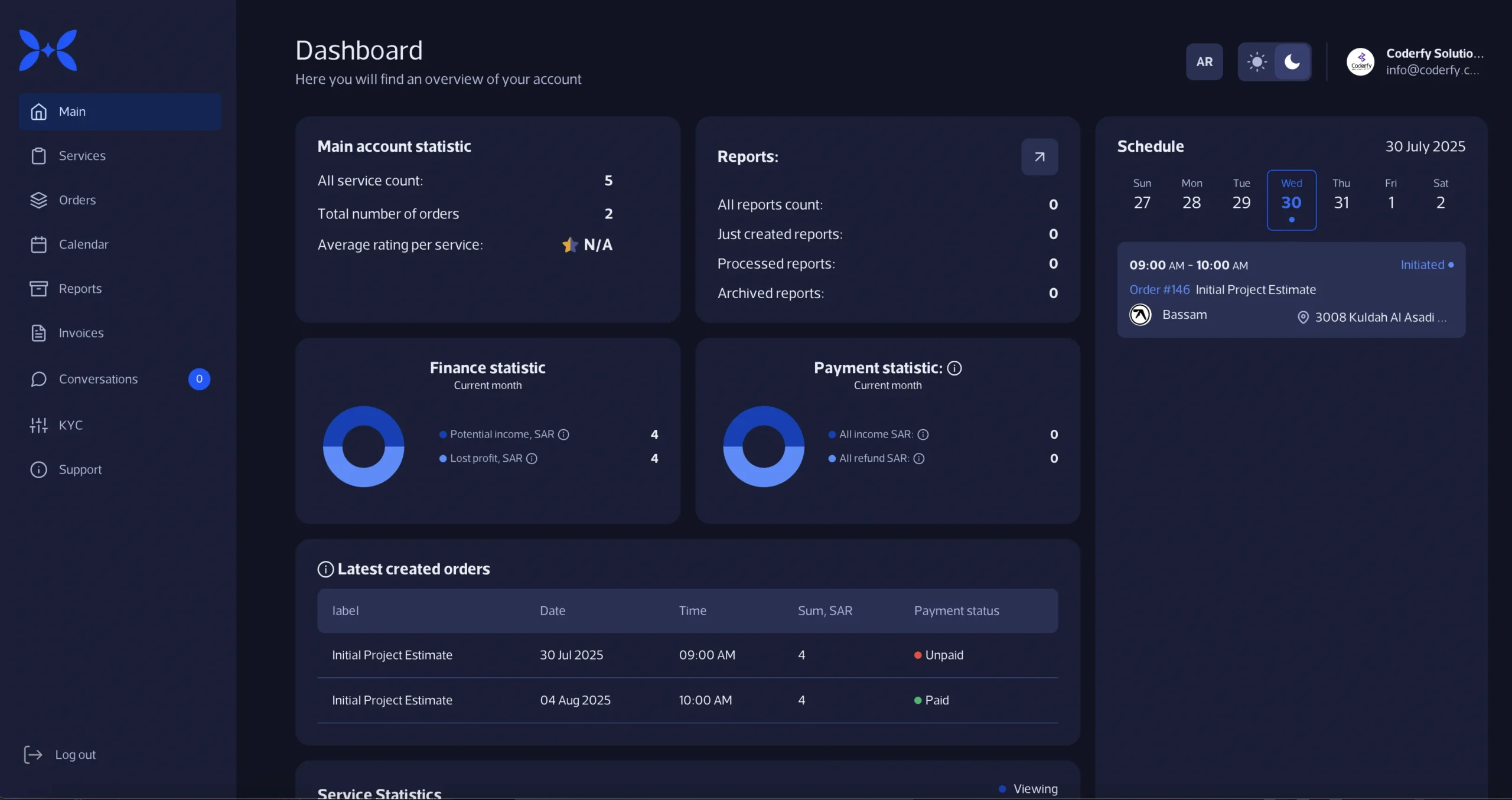
Mobile Marketplace App Dashboard

In this article

Share this article on:
The Founder’s Playbook: From a Broken App to a Thriving Marketplace

So, you have an idea for a development marketplace. A platform that will connect people, create value, and maybe, just maybe, become the next Uber or Airbnb for its niche. It’s a great vision. It’s also the fast track to burning through cash and ending up with a digital ghost town if you don’t know the game’s rules.

Building a mobile marketplace app isn’t like building a standard app. You’re not building a tool; you’re building a micro-economy. You must serve two masters—supply and demand—and get them to dance together. The mobile app development cost is just your ticket to the arena. Winning the fight requires a brutal, focused strategy.

This isn’t a theoretical lecture. This is a practical playbook forged in the trenches of launching and iterating the Mnadi service mobile marketplace app in Saudi Arabia. We’ll dissect the strategy, the critical MVP features, and the one strategic choice you must make to solve the infamous ‘chicken and egg’ problem.

Phase 1: The Blueprint. Don’t Skip This, Seriously.

Every failed marketplace I’ve seen has one thing in common: the founders were in a hurry. They rushed past the strategic blueprint to get to the “exciting” part of coding. This is a fatal mistake. Your success is determined here, not in the code.

Define Your Battlefield: Niche & Business Model

“An app for everything” (the same as a custom software development company) is an app for no one. The market is a graveyard of apps that tried to be too broad, too soon. You must find a specific, underserved niche.

  • Are you connecting homeowners with emergency plumbers?

  • Pet owners with certified groomers?

  • Gamers with high-level coaches?

Your niche dictates your audience. Once you have it, you must decide how you’ll make money.

  • Commission-based: This is the standard. You take a cut of each transaction (Uber, Airbnb). This works when your platform is essential to making the transaction happen.

  • Subscription Fees: Providers or users pay a recurring fee (LinkedIn Premium). Best for high-value B2B or premium service marketplaces where access is the product.

  • Listing Fees: Providers pay to post their services (Etsy, Craigslist). Works where supply is high and visibility is the commodity.

  • Freemium/Lead Fees: Basic features are free, but providers pay for premium tools or to contact customers (Thumbtack).


The Core Question: What Problem Do You Actually Solve?

You need a crystal-clear Core Value Proposition (CVP) for both sides. Why should they choose you?

  • For Customers (Demand): Is it better prices? More choice? Higher quality? Trust?

  • For Providers (Supply): Is it more customers? Easier payments? Better marketing tools?

During our work with the Mnadi service app, its CVP gave users “choice and competitive pricing.” This was a deliberate strategic decision to differentiate it from a competitor like Hello App (another mobile marketplace app), which focused on “convenience and reliability” at a potentially higher price. Know your CVP. It is the foundation of your entire product and marketing.


Phase 2: Building Your Weapon – The Minimum Viable Product (MVP)

Let’s be clear. An MVP is not a cheap, buggy version of your final product. It is the simplest version of your app that perfectly solves the core problem for your first users. Anything else is noise.

Essential Features for a Marketplace MVP

Your MVP will need to facilitate the core interaction flawlessly. For a service marketplace, this means:

  • Tailored User Profiles: Distinct, simple profiles for customers and providers. Providers need fields for service descriptions, prices, and portfolio images.
  • Powerful Search & Filtering: Users must find what they need, fast. A buggy filter function is not a minor inconvenience; it’s a reason to delete your app.
  • Real-Time Messaging: Communication is the bedrock of trust. A broken chat stops a transaction dead. During our initial Mnadi testing, we found a bug that blocked all communication. This wasn’t a “medium priority” ticket; it was a “drop everything and fix it now” crisis.
  • Clear Listings/Service Pages: An attractive, easy-to-understand showcase of what the provider offers.

  • Ratings and Reviews: The single most important feature for building trust and social proof. It is non-negotiable.

  • Secure Payments: Integration with a trusted payment gateway (like Stripe, or a regional one like MyFatoorah) is essential for user confidence.
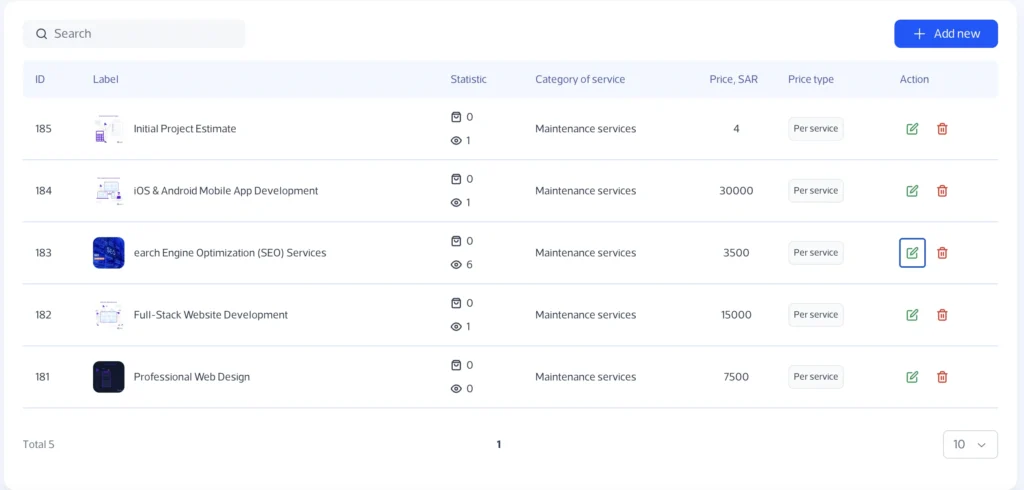
Mobile Marketplace App - Providers core

Choosing Your Technical Partner

This decision can make or break you.

  • In-house team: Maximum control but massive overhead. And sometimes, you just don’t have time to onboard because your mobile marketplace app burns money instantly.
  • Freelancers: Cost-effective for small tasks, but a recipe for disaster when coordinating a complex platform build. Also, scaling after them can be more costly than starting with an agency.

  • Mobile Application Development Company: The best balance for most startups. A good agency provides an experienced team, project management, and a history of building scalable platforms. When you vet them, ask for case studies of marketplaces they have built before and check their profile on independent directories like TopDevelopers.co to confirm their expertise.


Phase 3: The Launch – Solving the ‘Chicken and Egg’ Conundrum

You have an app. Now you have a platform with no users and no providers. Welcome to the ‘chicken and egg’ problem. The temptation is to believe in a “big bang” launch, where everyone shows up on day one.

This is a myth.

The problem isn’t solved with a big bang. It’s solved by making one difficult strategic choice: you must focus on one side of the market first.

The Unpopular but Correct Answer: Win the “Hard Side” First

For virtually every service-based marketplace, the “hard side”—the one that is more difficult to acquire and retain—is the supply side (your service providers).

Why? Because a reliable supply of high-quality providers is your product.

A user might tolerate a minor UI bug, but they will never forgive you for posting a job and getting zero responses. A lack of supply breaks your platform’s core promise. The value proposition for our Mnadi mobile marketplace app was “get multiple offers.” That model is impossible without a critical mass of providers, so the strategic imperative was clear: win the providers first.


The Hyper-Focus Strategy: Your First 10 Providers

Forget launching nationwide. Your initial goal is to create a tiny, super-concentrated zone of perfect activity.

  • Step 1: Constrain Your Market (Drastically). Target one city (e.g., Riyadh) and one or two critical service categories (e.g., AC Repair and Plumbing). Your goal is to be the #1 app for “AC Repair in Riyadh” before you even think about the rest of the country.

  • Step 2: Create an Irresistible Offer. Hunt for your first 10-20 “founding providers” and give them an offer they can’t refuse.

    • Zero Commission: Offer the first 6-12 months completely free. This is your most powerful weapon.

    • Guaranteed First Jobs: Promise each new provider their first 3-5 jobs. You may need to “seed” this demand yourself by asking friends or using a small ad budget to create real jobs. Prove that your platform delivers value, not just promises.

    • White-Glove Support: Be their personal business partner. Help them build their profile. Fix their problems instantly. When we found providers couldn’t add an avatar in Mnadi, it was a critical barrier to them looking professional. We fixed it immediately.

  • Step 3: Hunt, Don’t Fish. Don’t just post an ad and hope. Actively hunt for the best providers. Scout competitor apps, visit local supply stores, and engage in local online communities where professionals gather.

Once you have a small but solid base of providers in your hyper-focused market, now you can turn on the mobile app marketing tap for users with a specific, powerful promise:

“Need a plumber in Riyadh? Get 3 quotes from vetted pros in 15 minutes.”

That is a promise you can keep. That is how you build momentum.


Phase 4: The Real Work Begins – Relentless Iteration

The MVP launch is the starting line, not the finish. The data and feedback you get now are your roadmap.

Your most valuable feature is a relentless feedback loop. Treat your customer support as your research department. Every bug report is a gift. During Mnadi’s closed beta testing, we uncovered growth-killing bugs:

  • Incorrect service counts that destroyed provider trust.

  • Localization errors that made the app look unprofessional.

  • A confusing checkout flow that was losing sales.

Fixing these issues isn’t just maintenance; it’s the most effective marketing you can do. Every bug fixed is a reason for a user to stay. Every feature suggestion you implement makes a provider feel valued.

Only when you have a repeatable playbook for acquiring supply and demand in your first niche should you consider scaling—first to a new city, then to a new service category.


Conclusion: Find Your First Ten Hens

Stop agonizing over the chicken or the egg. The answer is to focus on the supply side first.

Constrain your market to an almost laughably small niche. Find your first ten “hens” (providers) and build them the best, most supportive “coop” (mobile platform app) imaginable. Guarantee them a reason to stay. Once they are happy and active, the “chickens” (users) will come, drawn by the undeniable value you have painstakingly created.

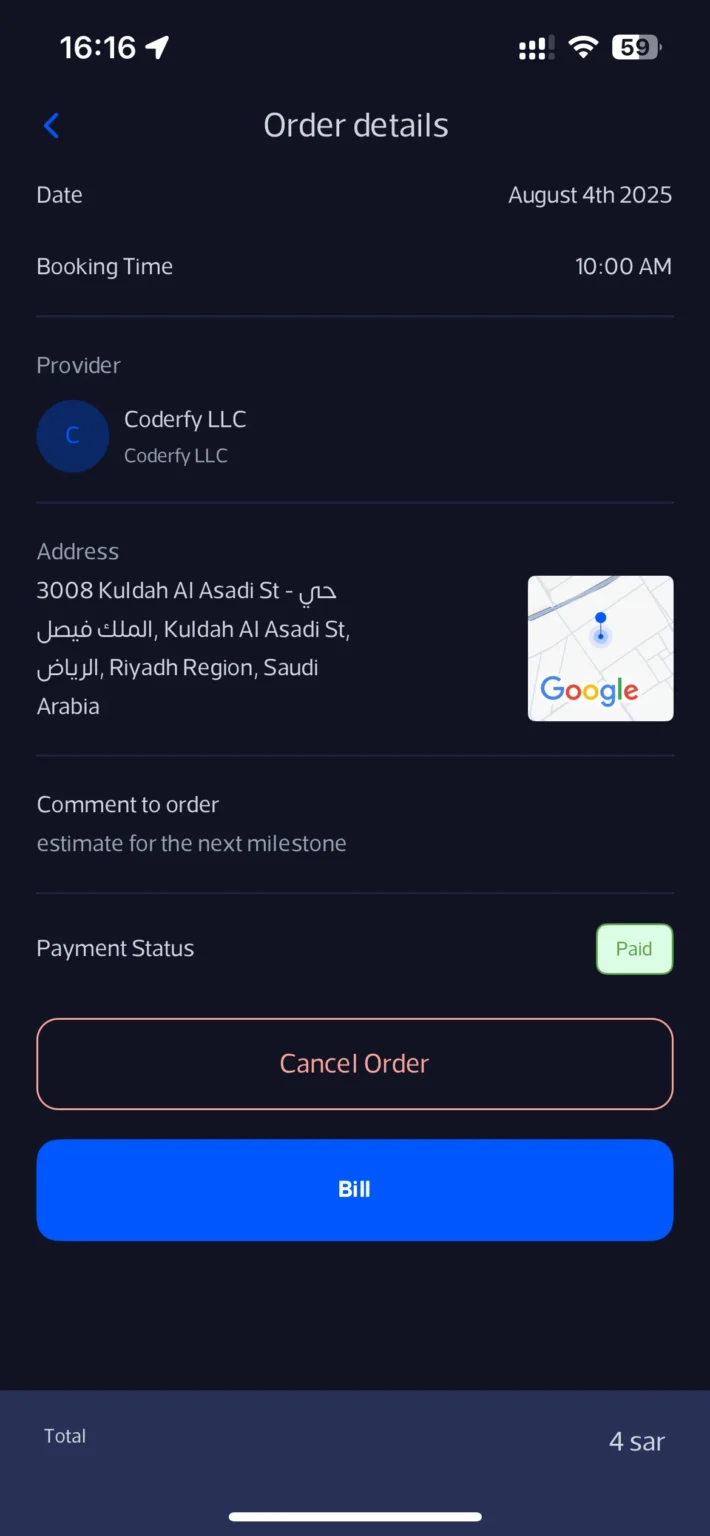
Mobile Marketplace App Screen of the Order
Mnadi V3 - Project Dashboard

Mnadi V3 Project Dashboard

An interactive overview of project estimates vs. actuals.

Total Estimated Hours

0

Total Tracked Hours

0

Overall Variance

0 hrs

Completed Tasks

0

Phase Performance

Compare estimated vs. tracked hours for each project phase. Click a button to filter the dashboard.

Task Breakdown

A detailed list of tasks for the selected phase.

Task Name Estimated (hrs) Tracked (hrs) Variance (hrs)

Introduction

This document provides a comparative analysis of two service provider consolidation platforms in a specific regional market: a leading competitor and our own platform. The objective is to identify our platform’s strengths, weaknesses, and opportunities. Based on this analysis, we will outline specific, actionable recommendations to improve the application and its marketing strategy to drive growth and user acquisition.

1. Detailed Platform Comparison

This table provides a comprehensive, side-by-side analysis of the competitor and our platform, highlighting key differences and strategic opportunities for growth.

AspectPlatform A (The Competitor)Platform B (Our Platform)Strategic Opportunity for Our Platform

First Impression & Design

Professional & Modern. Clean, polished, trustworthy design with high-quality imagery and smooth animations.

Simple & Functional. Straightforward, minimalistic design that feels slightly dated and lacks professional polish.

Invest in a UI/UX Refresh. A modern design is crucial for building initial trust and appearing as a credible alternative.

Core Value Proposition

Convenience & Reliability. A clear, benefit-driven headline focused on ease of use instantly communicates user benefits.

Choice & Savings (Implied). A creative but less direct headline whose core benefit isn’t immediately obvious.

Rephrase to Highlight the USP. Change the headline to focus on the key differentiator: “Post a job, get multiple offers from qualified pros.”

Trust Signals

Excellent. Prominently features “Vetted Service Providers,” “Secure Online Payments,” and customer ratings. This directly addresses user fears.

Absent. No mention of provider verification, payment security, or a review system. This is a critical weakness.

Build and Market Trust. Implement and heavily promote a provider vetting system, secure payments, and a customer review/rating system.

Key Selling Point (USP)

Simplicity & Speed. Users can select a service and book it directly in a few clicks through a direct-booking model.

Competitive Offers. The ability to receive multiple offers and choose the best one is a powerful, yet under-communicated, feature.

Make “Get Multiple Offers” the Core Message. This unique selling point should be central to all marketing and website copy.

Target Audience Focus

Dual-Sided. The platform clearly addresses both “Customers” and “Providers” with dedicated sections and outlined benefits for each.

Customer-Focused Only. The website and value proposition are aimed solely at users looking for services.

Create a “For Providers” Portal. Actively recruit providers by creating a dedicated section explaining the benefits of joining (more jobs, easy management, etc.).

Visual Engagement

High. Uses actual app screenshots, custom icons, and professional photos to make the service feel tangible and trustworthy.

Low. Relies on generic smartphone mockups and basic icons, which makes the app feel less real and professional.

Show, Don’t Just Tell. Replace mockups with high-quality screenshots or a short video of the actual app in use.

Call-to-Action (CTA)

Clear & Credible. Prominent “Download the App” buttons with official App Store and Google Play badges.

Functional but Basic. Standard download links without the added credibility of official store badges.

Enhance CTA Credibility. Add official App Store and Google Play badges to download buttons to increase user confidence.

2. Actionable Recommendations for Our Platform

Here are concrete steps that can be taken to improve our platform’s market position.

A. App & Platform Improvements

  1. Implement a Provider Vetting System:

    • Introduce a background check or verification process for all technicians. This could include checking IDs, certifications, and references.

    • Market this heavily. Use phrases like “Verified Technicians,” “Trusted Professionals,” or “Platform-Certified” on the website and in the app.

  2. Incorporate a Review and Rating System:

    • Allow customers to rate and review providers after a service is completed. This builds social proof and helps good providers stand out.

    • Showcase top-rated providers.

  3. Add a Secure Payment Gateway:

    • Partner with a known regional payment provider to offer secure in-app payments. This increases user convenience and trust.

  4. Build a “For Providers” Portal:

    • Create a section on the website for technicians to sign up.

    • Explain the benefits for them: Access to more jobs, easy job management, prompt payments, etc. A platform is only as good as its providers.

B. Marketing & Website Redesign

  1. Refine the Core Message:

    • Change the main headline to something like: “Post a job, get multiple offers. The smartest way to hire a technician in your area.”

    • Emphasize the choice and savings aspect. This is your key differentiator.

  2. Website Redesign:

    • Invest in a professional UI/UX designer. The goal is to look as trustworthy and modern as the leading competitor.

    • Show, Don’t Just Tell: Replace the generic phone mockup with actual screenshots or a short video of the app in action.

    • Add Trust Badges: Once you have a vetting process, create badges like “100% Verified Pros” or “Secure Payment.”

    • Add a Testimonials Section: Feature quotes from happy customers.

  3. Content & SEO Strategy:

    • Start a Blog: Write articles about common home maintenance issues to attract users searching for solutions on Google.

    • Target Local Keywords: Optimize the website for terms like “plumber in [City],” “electrician in [City],” “AC repair [City].”

  4. Launch a Targeted Social Media Campaign:

    • Run ads on relevant social media platforms targeting users in major cities.

    • Campaign Idea: Show a short video of a person with a common household problem, then using the app to easily get multiple offers and having it fixed quickly. The message: “Don’t stress. Get competing offers in minutes.”

Conclusion

Our platform is built on a strong and compelling idea—giving users choice and competitive pricing. This is a powerful advantage. However, the platform currently suffers from a lack of trust signals and a dated presentation that undermines its credibility when compared to a polished competitor.

By focusing on building trust, modernizing the design, and clarifying the marketing message around the unique benefit of receiving multiple offers, our platform can significantly improve its appeal and compete more effectively for a share of the market.

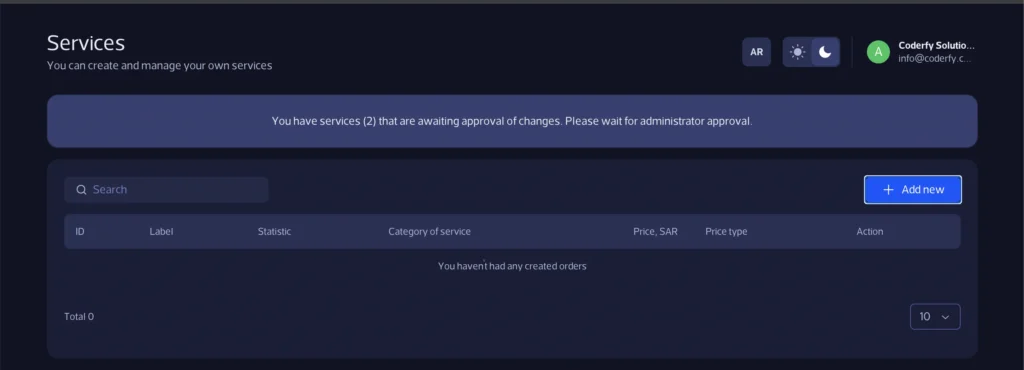
Mobile Marketplace App - Adding services

Have an idea? We have the expertise to make it happen

FAQ About Mobile Marketplace App Development and Launch

The ‘chicken and egg’ problem is the single biggest challenge. You need providers to attract users, and users to attract providers. The key is to solve this by strategically acquiring the supply side (providers) first in a very narrow, hyper-focused market.

The cost varies widely based on complexity, features, and your choice of development partner. Instead of focusing on the lowest possible price, focus on the cost of building a robust MVP that solves the core problem. Partnering with an experienced mobile application development company is often the most cost-effective path to a scalable, successful product. MVP won’t be cheaper than 10k for sure

For over 95% of service and product marketplaces, the correct strategy is to secure your supply (providers) first. A quality, reliable supply is your product. Without it, users have no reason to come to your platform, or to return.

An MVP (Minimum Viable Product) for a marketplace is not just a collection of features. It’s the most basic version of your app that allows a customer to successfully find, communicate with, and transact with a provider. It must nail this core interaction perfectly.

A vetting system is crucial for user trust. When customers invite strangers into their homes, safety is their top priority. Verify providers (IDs, certifications) show your platform is safe and reliable, giving you a key advantage over competitors and encouraging new users to book.

Yes, it’s worth the risk. A public review system is a powerful trust signal that shows you value customer opinions. It helps excellent providers build a reputation and attracts more business. Negative feedback is also a valuable source of direct input for improvement. A marketplace without reviews lacks credibility.

Use a “hyper-focus” strategy. Concentrate your limited budget on a very narrow target (e.g., one service in one city). This approach allows you to dominate a small niche and prove your platform’s value. Once you have a successful model, you can scale to other areas.

Providers are your business partners. A dedicated portal shows you’re invested in their success by giving them professional tools to manage jobs, clients, and earnings. Empowered providers deliver better service, remain loyal, and become your best advocates.

Coderfy software development company
This site is protected by reCAPTCHA and the Google Privacy Policy and Terms of Service apply.

Begin Your Project With Confidence -Contact Coderfy Today

Embark on your software development journey with the assurance of our expert estimate software project service. Whether you're ready to discuss your project, upload documentation, or simply brainstorm ideas, our team guides you every step of the way.

Put contacts to receive an estimate examples

This site is protected by reCAPTCHA and the Google Privacy Policy and Terms of Service apply.