The Founder’s Playbook: From a Broken App to a Thriving Marketplace
So, you have an idea for a development marketplace. A platform that will connect people, create value, and maybe, just maybe, become the next Uber or Airbnb for its niche. It’s a great vision. It’s also the fast track to burning through cash and ending up with a digital ghost town if you don’t know the game’s rules.
Building a mobile marketplace app isn’t like building a standard app. You’re not building a tool; you’re building a micro-economy. You must serve two masters—supply and demand—and get them to dance together. The mobile app development cost is just your ticket to the arena. Winning the fight requires a brutal, focused strategy.
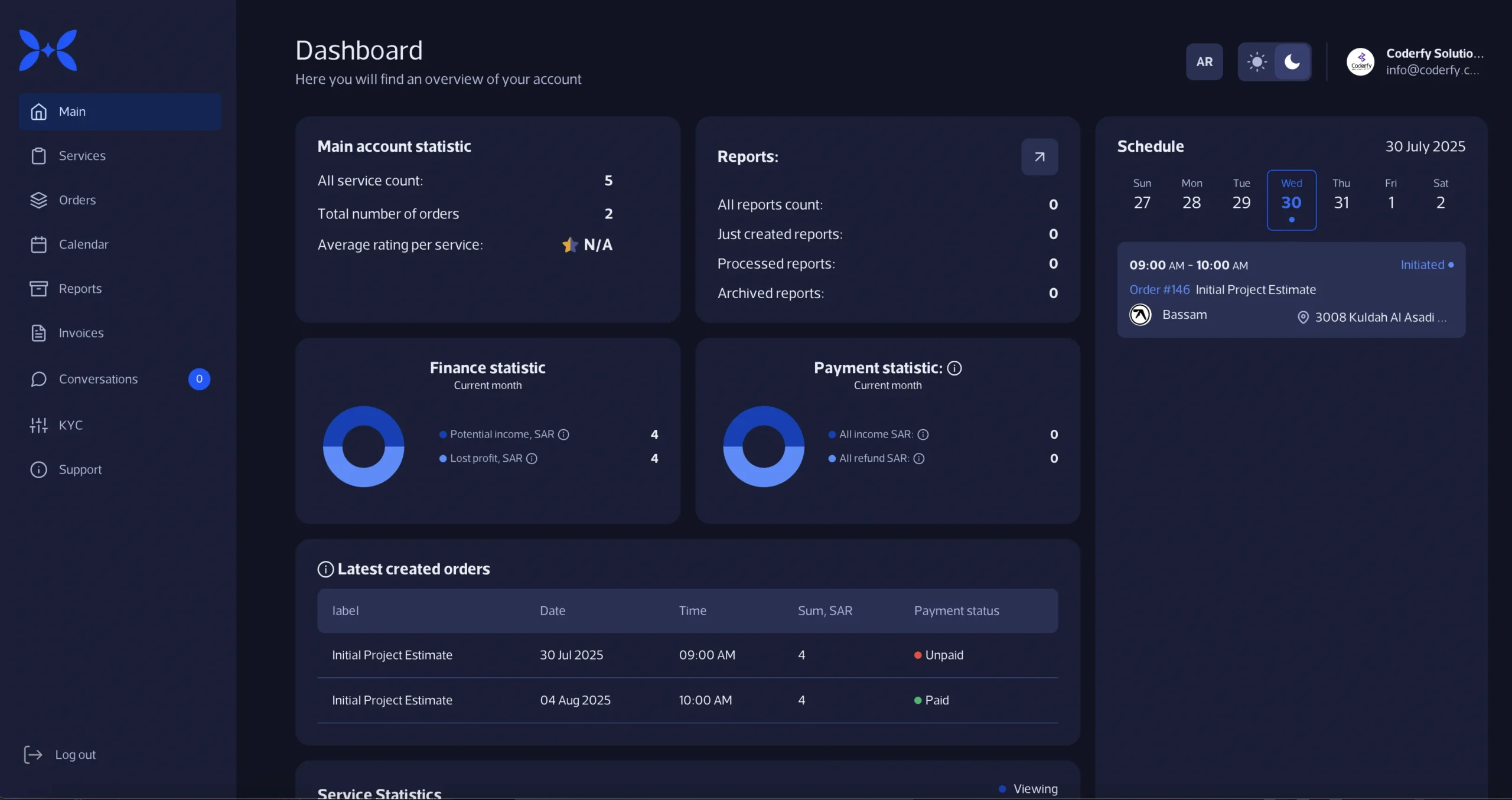
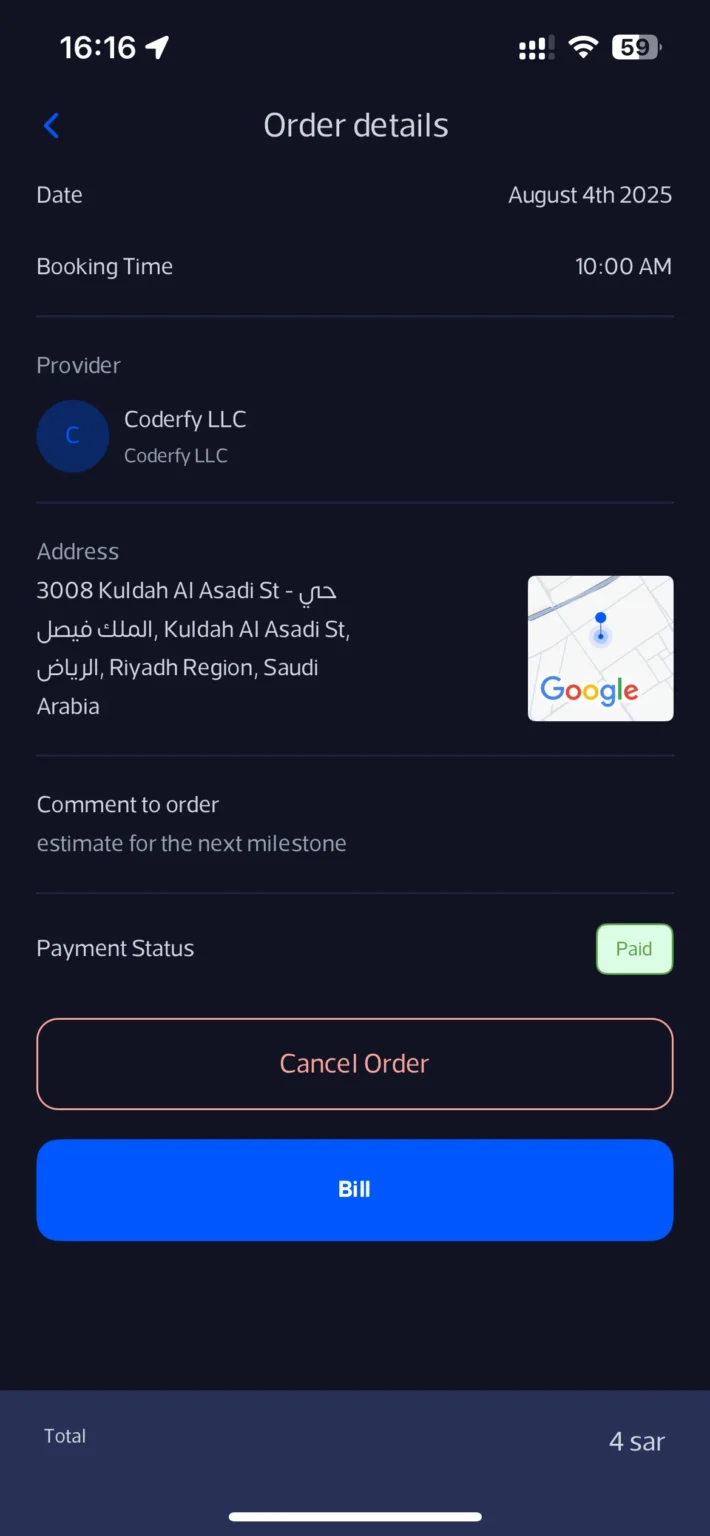
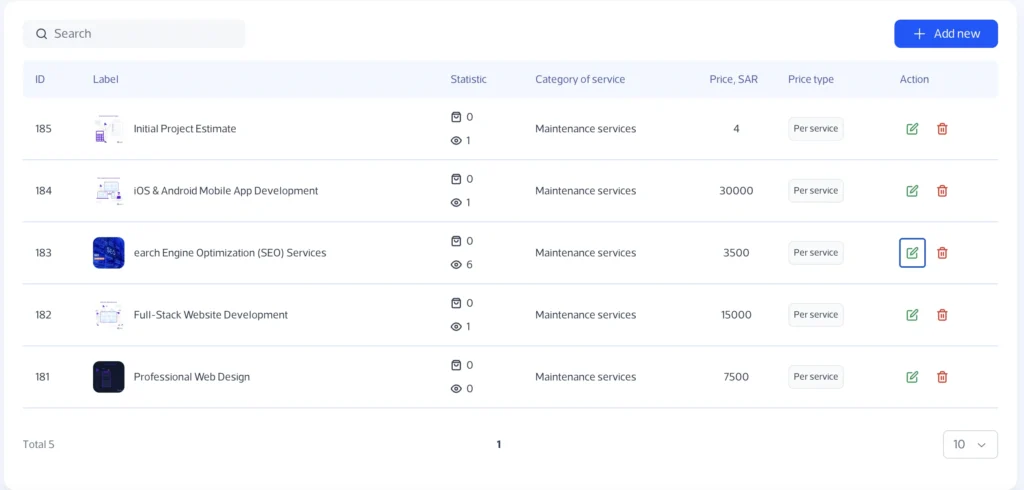
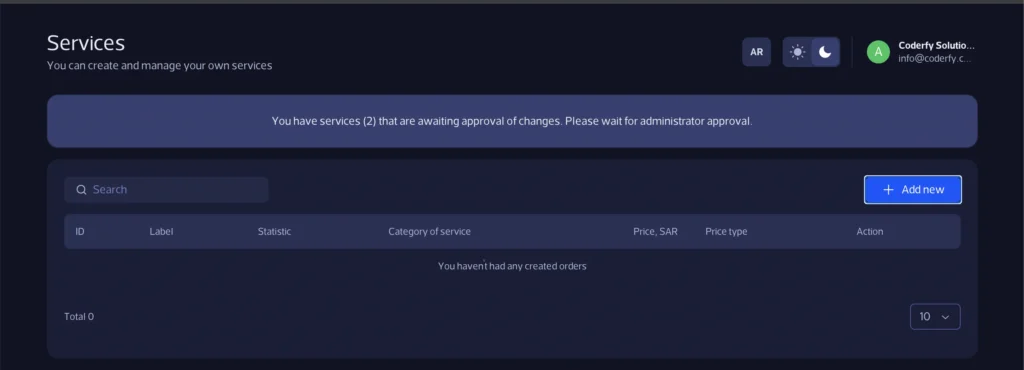
This isn’t a theoretical lecture. This is a practical playbook forged in the trenches of launching and iterating the Mnadi service mobile marketplace app in Saudi Arabia. We’ll dissect the strategy, the critical MVP features, and the one strategic choice you must make to solve the infamous ‘chicken and egg’ problem.
Phase 1: The Blueprint. Don’t Skip This, Seriously.
Every failed marketplace I’ve seen has one thing in common: the founders were in a hurry. They rushed past the strategic blueprint to get to the “exciting” part of coding. This is a fatal mistake. Your success is determined here, not in the code.
Define Your Battlefield: Niche & Business Model
“An app for everything” (the same as a custom software development company) is an app for no one. The market is a graveyard of apps that tried to be too broad, too soon. You must find a specific, underserved niche.
Are you connecting homeowners with emergency plumbers?
Pet owners with certified groomers?
Gamers with high-level coaches?
Your niche dictates your audience. Once you have it, you must decide how you’ll make money.
Commission-based: This is the standard. You take a cut of each transaction (Uber, Airbnb). This works when your platform is essential to making the transaction happen.
Subscription Fees: Providers or users pay a recurring fee (LinkedIn Premium). Best for high-value B2B or premium service marketplaces where access is the product.
Listing Fees: Providers pay to post their services (Etsy, Craigslist). Works where supply is high and visibility is the commodity.
Freemium/Lead Fees: Basic features are free, but providers pay for premium tools or to contact customers (Thumbtack).
The Core Question: What Problem Do You Actually Solve?
You need a crystal-clear Core Value Proposition (CVP) for both sides. Why should they choose you?
During our work with the Mnadi service app, its CVP gave users “choice and competitive pricing.” This was a deliberate strategic decision to differentiate it from a competitor like Hello App (another mobile marketplace app), which focused on “convenience and reliability” at a potentially higher price. Know your CVP. It is the foundation of your entire product and marketing.
Phase 2: Building Your Weapon – The Minimum Viable Product (MVP)
Let’s be clear. An MVP is not a cheap, buggy version of your final product. It is the simplest version of your app that perfectly solves the core problem for your first users. Anything else is noise.
Essential Features for a Marketplace MVP
Your MVP will need to facilitate the core interaction flawlessly. For a service marketplace, this means:
- Tailored User Profiles: Distinct, simple profiles for customers and providers. Providers need fields for service descriptions, prices, and portfolio images.
- Powerful Search & Filtering: Users must find what they need, fast. A buggy filter function is not a minor inconvenience; it’s a reason to delete your app.
- Real-Time Messaging: Communication is the bedrock of trust. A broken chat stops a transaction dead. During our initial Mnadi testing, we found a bug that blocked all communication. This wasn’t a “medium priority” ticket; it was a “drop everything and fix it now” crisis.
Clear Listings/Service Pages: An attractive, easy-to-understand showcase of what the provider offers.
Ratings and Reviews: The single most important feature for building trust and social proof. It is non-negotiable.
Secure Payments: Integration with a trusted payment gateway (like Stripe, or a regional one like MyFatoorah) is essential for user confidence.
Choosing Your Technical Partner
This decision can make or break you.
- In-house team: Maximum control but massive overhead. And sometimes, you just don’t have time to onboard because your mobile marketplace app burns money instantly.
Freelancers: Cost-effective for small tasks, but a recipe for disaster when coordinating a complex platform build. Also, scaling after them can be more costly than starting with an agency.
Mobile Application Development Company: The best balance for most startups. A good agency provides an experienced team, project management, and a history of building scalable platforms. When you vet them, ask for case studies of marketplaces they have built before and check their profile on independent directories like TopDevelopers.co to confirm their expertise.
Phase 3: The Launch – Solving the ‘Chicken and Egg’ Conundrum
You have an app. Now you have a platform with no users and no providers. Welcome to the ‘chicken and egg’ problem. The temptation is to believe in a “big bang” launch, where everyone shows up on day one.
This is a myth.
The problem isn’t solved with a big bang. It’s solved by making one difficult strategic choice: you must focus on one side of the market first.
The Unpopular but Correct Answer: Win the “Hard Side” First
For virtually every service-based marketplace, the “hard side”—the one that is more difficult to acquire and retain—is the supply side (your service providers).
Why? Because a reliable supply of high-quality providers is your product.
A user might tolerate a minor UI bug, but they will never forgive you for posting a job and getting zero responses. A lack of supply breaks your platform’s core promise. The value proposition for our Mnadi mobile marketplace app was “get multiple offers.” That model is impossible without a critical mass of providers, so the strategic imperative was clear: win the providers first.
The Hyper-Focus Strategy: Your First 10 Providers
Forget launching nationwide. Your initial goal is to create a tiny, super-concentrated zone of perfect activity.
Step 1: Constrain Your Market (Drastically). Target one city (e.g., Riyadh) and one or two critical service categories (e.g., AC Repair and Plumbing). Your goal is to be the #1 app for “AC Repair in Riyadh” before you even think about the rest of the country.
Step 2: Create an Irresistible Offer. Hunt for your first 10-20 “founding providers” and give them an offer they can’t refuse.
Zero Commission: Offer the first 6-12 months completely free. This is your most powerful weapon.
Guaranteed First Jobs: Promise each new provider their first 3-5 jobs. You may need to “seed” this demand yourself by asking friends or using a small ad budget to create real jobs. Prove that your platform delivers value, not just promises.
White-Glove Support: Be their personal business partner. Help them build their profile. Fix their problems instantly. When we found providers couldn’t add an avatar in Mnadi, it was a critical barrier to them looking professional. We fixed it immediately.
Step 3: Hunt, Don’t Fish. Don’t just post an ad and hope. Actively hunt for the best providers. Scout competitor apps, visit local supply stores, and engage in local online communities where professionals gather.
Once you have a small but solid base of providers in your hyper-focused market, now you can turn on the mobile app marketing tap for users with a specific, powerful promise:
“Need a plumber in Riyadh? Get 3 quotes from vetted pros in 15 minutes.”
That is a promise you can keep. That is how you build momentum.
Phase 4: The Real Work Begins – Relentless Iteration
The MVP launch is the starting line, not the finish. The data and feedback you get now are your roadmap.
Your most valuable feature is a relentless feedback loop. Treat your customer support as your research department. Every bug report is a gift. During Mnadi’s closed beta testing, we uncovered growth-killing bugs:
Incorrect service counts that destroyed provider trust.
Localization errors that made the app look unprofessional.
A confusing checkout flow that was losing sales.
Fixing these issues isn’t just maintenance; it’s the most effective marketing you can do. Every bug fixed is a reason for a user to stay. Every feature suggestion you implement makes a provider feel valued.
Only when you have a repeatable playbook for acquiring supply and demand in your first niche should you consider scaling—first to a new city, then to a new service category.
Conclusion: Find Your First Ten Hens
Stop agonizing over the chicken or the egg. The answer is to focus on the supply side first.
Constrain your market to an almost laughably small niche. Find your first ten “hens” (providers) and build them the best, most supportive “coop” (mobile platform app) imaginable. Guarantee them a reason to stay. Once they are happy and active, the “chickens” (users) will come, drawn by the undeniable value you have painstakingly created.